Landlord Seasonal Maintenance Guide for Florida Rentals
A leaking AC closet in July or a loose fence panel after a summer storm can turn a quiet rental into an urgent call fast. This landlord seasonal maintenance guide is designed for Davenport-area property owners who want to prevent those disruptions, protect their investment, and give tenants a safer, more comfortable place to live.
Florida rental maintenance is not a once-a-year task. Heat, humidity, heavy rain, high winds, pests, and nearly constant HVAC use all put pressure on a property. A practical seasonal routine helps you catch small concerns while they are still affordable repairs, rather than waiting for damage to spread behind a wall, under flooring, or across an exterior surface.
Start With a Property-Specific Maintenance Plan
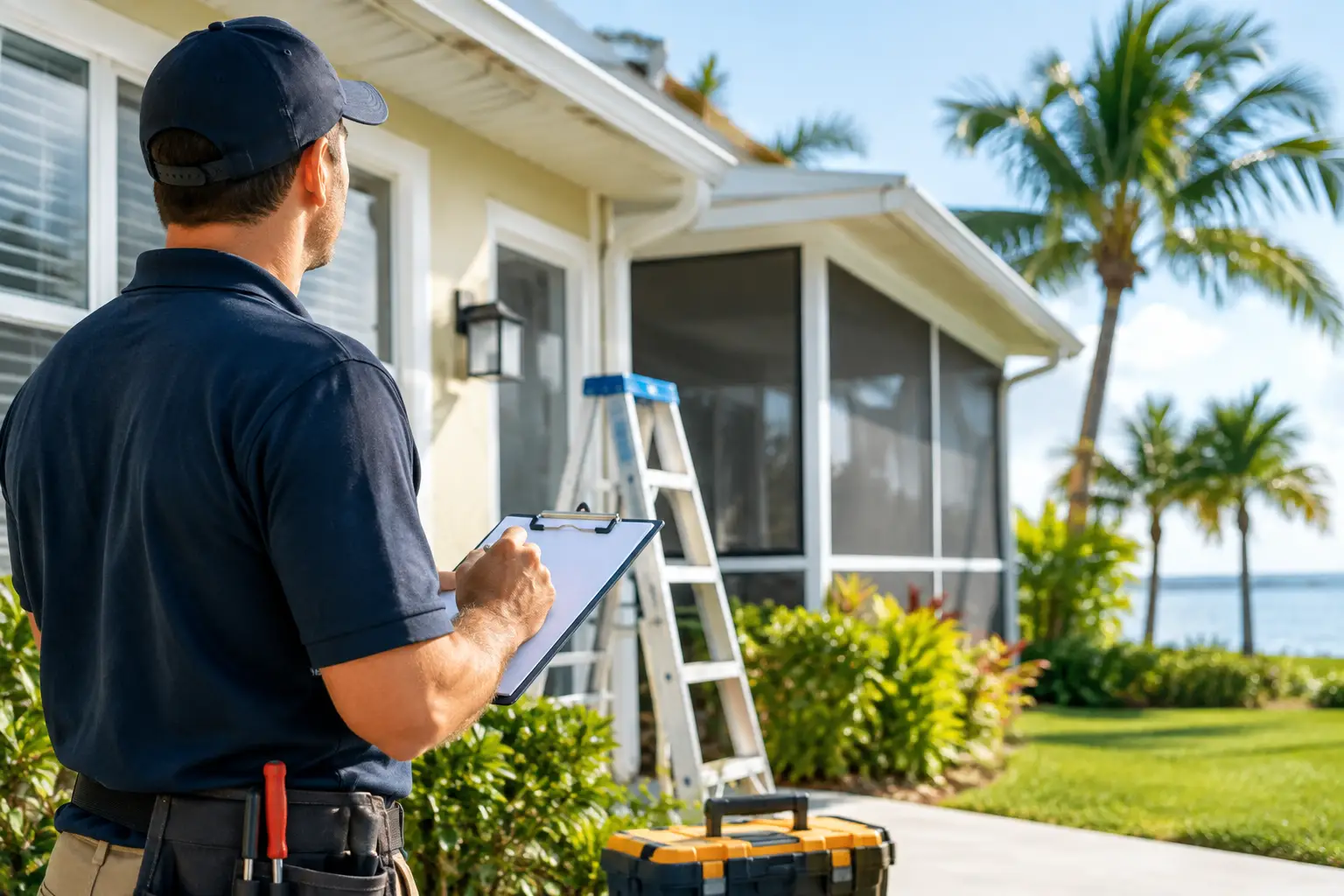
No two rentals have the same needs. A single-family home with a fenced yard, garage, and older plumbing needs a different approach than a condo with association-managed exterior areas. Begin with a smart inspection of the home, then organize maintenance around its systems, age, tenant use, and known trouble spots.
Keep a simple record of completed work, service dates, tenant reports, warranties, paint colors, flooring details, and photos of key areas. That history makes it easier to plan ahead and gives you a clearer picture when deciding whether a repair is enough or replacement makes better financial sense.
Communication matters just as much. Let tenants know when seasonal inspections are planned, what areas may need access, and how to report concerns between visits. Tenants are often the first to notice a slow drain, a warm room, a flickering light, or water near a window. Clear reporting instructions can prevent a minor issue from becoming property damage.
Spring: Prepare for Rain, Heat, and Outdoor Use
Spring is the right time to get ahead of Central Florida’s rainy season and rising temperatures. Focus first on the roofline and drainage. Clear leaves and debris from gutters where present, check downspouts, and make sure water flows away from the foundation. Standing water near the home can contribute to moisture intrusion, soil erosion, and pest activity.
Walk the exterior and look closely at caulk, siding, trim, soffits, screens, windows, and doors. Small openings invite water and insects inside. Recaulking around windows or repairing a damaged screen is usually a modest project. Ignoring it can lead to interior staining, swollen trim, or tenant complaints about bugs.
This is also the ideal time to service the air conditioning system before summer demand peaks. Replace or check filters, inspect the condensate drain line, listen for unusual sounds, and confirm that every room is cooling properly. In a Florida rental, AC maintenance is not simply a comfort upgrade. It protects indoor air quality, helps manage humidity, and reduces the chance of a breakdown during the hottest part of the year.
Outdoor areas deserve attention before tenants begin using them more frequently. Check fences for leaning posts, cracked boards, loose gates, and failing hardware. Inspect patios, walkways, and concrete for trip hazards. If the property has a garage, test the garage door, sensors, and weather stripping. These repairs improve daily usability while reducing liability concerns.
Summer: Watch Humidity and Storm Damage
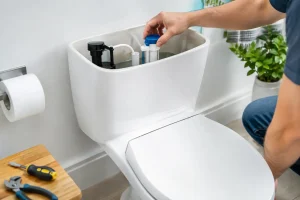
Summer maintenance in Davenport is largely about moisture control and rapid response. High humidity can expose weak ventilation, plumbing leaks, AC drainage issues, and gaps in exterior sealing. During routine visits, look under sinks, around toilets, near water heaters, and at ceilings below bathrooms. A musty smell, soft baseboard, discolored drywall, or bubbling paint should be investigated promptly.
After severe rain or wind, perform a quick exterior check when it is safe to do so. Look for damaged fencing, loose shutters, clogged drainage points, displaced roof materials, fallen branches, and water entering through windows or doors. Document conditions with photos before arranging repairs, especially if insurance documentation may be needed.
Tenants should know that active leaks, electrical burning smells, a nonfunctioning AC system, and garage-door failures affecting security require immediate reporting. Routine maintenance protects a rental, but emergencies still happen. A dependable local service team that can assess multiple repair needs is especially valuable when time matters and coordinating several contractors would delay the solution.
Pest prevention should stay on the summer schedule as well. Keep vegetation trimmed away from the structure, repair openings around utility penetrations, and address standing water. Property owners should avoid assuming that pests are only a housekeeping concern. A damaged door sweep, torn screen, leaking pipe, or unsealed opening can create the access point.
Fall: Repair Wear Before the Holidays
Florida’s fall weather provides a useful window for repairs that are difficult to schedule during constant summer storms. Reassess exterior paint, wood trim, fencing, patios, and drainage areas. Paint that is peeling or cracking is more than a cosmetic problem. It leaves exterior materials less protected from rain and moisture.
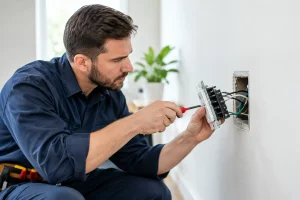
Inside the home, test smoke alarms and carbon monoxide alarms where installed, replace batteries as needed, and confirm that electrical outlets, switches, and bathroom exhaust fans work as intended. A loose outlet, frequently tripped breaker, or flickering fixture is worth addressing early. Electrical repairs should not be delayed or handled as a DIY project by tenants.
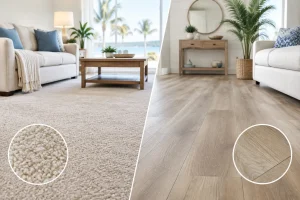
Fall is also a good time to inspect flooring. Look for loose transitions, damaged carpet edges, lifted vinyl, cracked tile, and soft spots that could indicate moisture below the surface. Flooring issues can create trip risks and may point to a larger plumbing or moisture problem. Addressing the source before replacing finishes helps avoid paying for the same work twice.
If a lease turnover is approaching, plan cosmetic work early. Interior painting, drywall touch-ups, carpet cleaning, fixture updates, and minor repairs are easier to complete when they are scheduled as part of a turnover plan rather than rushed between tenants. A clean, well-maintained home supports stronger first impressions and can help reduce vacancy time.
Winter: Inspect for Cold Snaps and Indoor Repairs
Davenport winters are generally mild, but occasional cold snaps can still affect exposed pipes, irrigation components, and poorly insulated areas. Check exterior hose connections, pipes in garages or utility areas, and any vacant property that may not have regular water use. If temperatures are forecast to drop unusually low, take reasonable steps to protect vulnerable plumbing and make sure tenants understand what to do if they notice a leak.
Winter is often a practical season for interior improvements. Consider completing repairs that improve durability and tenant satisfaction, such as replacing damaged flooring, refreshing paint, repairing doors, updating weather stripping, or addressing worn bathroom caulk. The best choice depends on the condition of the property and your long-term rental strategy. A lower-cost repair may be appropriate for a newer finish with minor wear, while replacement may be smarter when repeated repairs are adding up.
Use this quieter period to review service records and budget for the next year. Identify recurring calls, such as repeated drain clogs, AC concerns, fence repairs, or moisture complaints. Patterns are useful information. They may show that a system needs a more thorough inspection instead of another temporary fix.
Make Seasonal Visits Work Harder
A seasonal visit should not be a rushed walk-through. Combine related tasks so each inspection provides real value. For example, an exterior review can include fences, gates, paint, screens, drainage, garage doors, concrete, and outdoor lighting. An interior review can cover plumbing fixtures, outlets, fans, smoke alarms, flooring, doors, and signs of water damage.
For landlords with several properties, consistency is what keeps maintenance manageable. Use the same checklist, take dated photos, prioritize safety-related concerns first, and schedule nonurgent improvements before they become tenant-facing problems. Free estimates and inspection-led planning can also help you compare options without guessing at cost or scope.
Davenport Handyman Services can help landlords turn seasonal findings into practical repair plans, from AC and plumbing concerns to painting, flooring, fence repair, garage doors, concrete, and general upkeep. One capable point of contact can make it easier to move from inspection to meticulous planning and quality execution.
The best time to repair a rental is usually before the tenant has to ask twice, before a storm tests a weak spot, and before a small issue becomes an expensive interruption.