
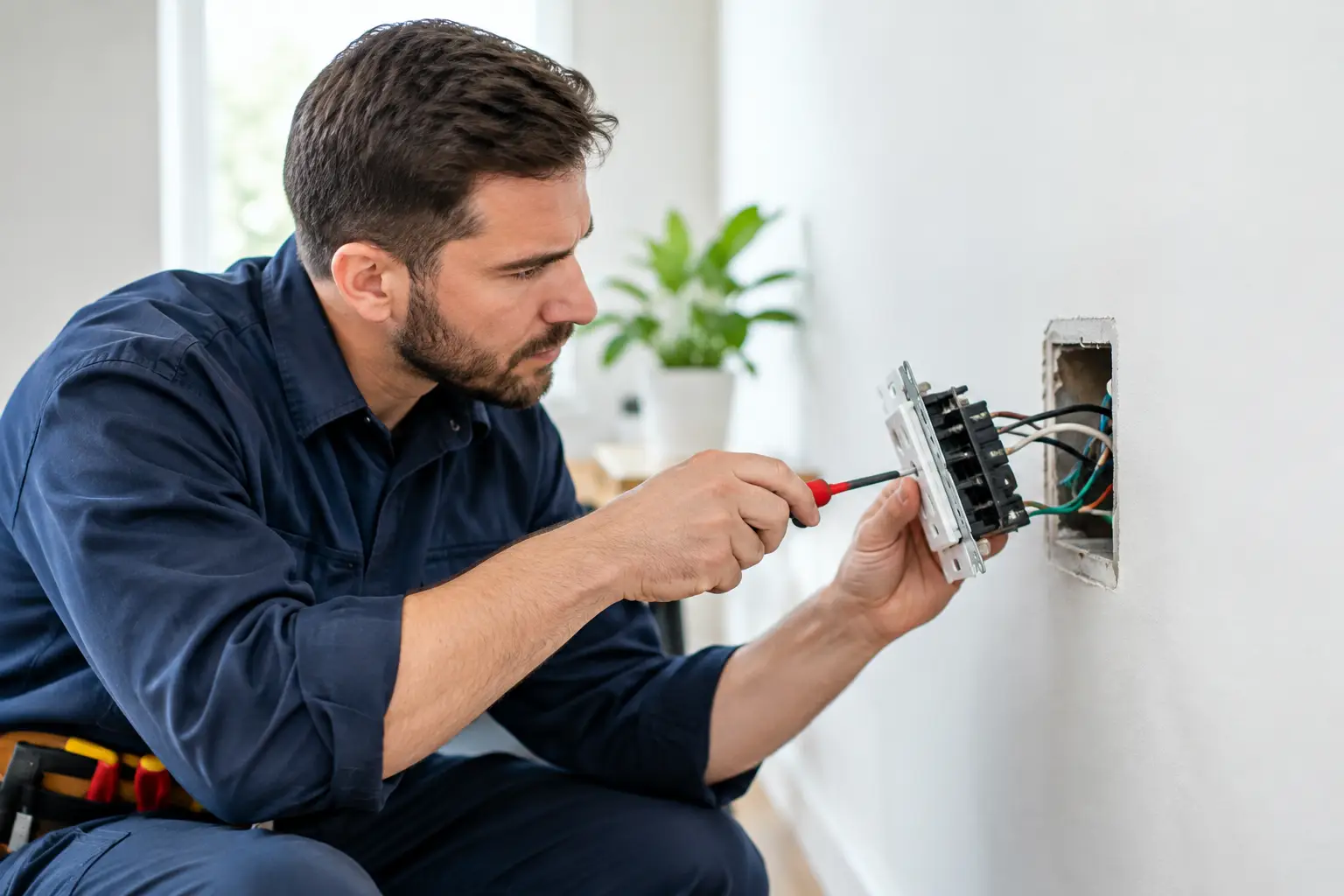
Electrical Repairs: Signs Your Property Needs Help
A light that flickers when the AC starts may seem like a minor nuisance. But in a Davenport home, rental, storefront, or office, that small change can point to a loose connection, overloaded circuit, aging component, or issue that deserves prompt attention. Electrical repairs are not just about getting power back. They protect the people using the property, the equipment plugged into it, and the building itself.
Florida heat, humidity, storms, and heavy use of air conditioning can put extra demands on a property’s electrical system. Knowing what to watch for helps you respond early, plan the right repair, and avoid turning a manageable issue into an urgent disruption.
When Electrical Repairs Should Not Wait
Some electrical problems are inconvenient. Others require immediate action. If you smell burning near an outlet, switch, panel, appliance, or electrical fixture, turn off power to the affected area if it is safe to do so. Do not keep testing the outlet or appliance to see whether the smell returns.
Sparks, smoke, buzzing from the electrical panel, a hot outlet cover, or a shock when touching a switch or appliance also call for quick professional attention. These signs can indicate damaged wiring, a loose connection, an overloaded circuit, or failing equipment. A reset breaker may restore power temporarily, but it does not explain why the breaker tripped in the first place.
Water makes the situation more serious. After a roof leak, plumbing leak, flood, or storm intrusion, keep clear of wet outlets, cords, fixtures, and electrical equipment. If water has reached electrical components, the area should be assessed before power is used again. For property managers, this is especially important between tenants, when an unnoticed leak can leave a hidden problem behind walls or above ceilings.
Common Warning Signs Around Your Property
Electrical issues do not always announce themselves with a dramatic outage. They often start with smaller changes that are easy to dismiss during a busy week. Pay attention when several of these signs appear in the same area of a home or commercial space.
Breakers That Trip Repeatedly
A breaker is designed to shut off power when it detects an overload or fault. One trip after plugging several high-demand devices into one circuit may have a straightforward cause. Repeated tripping, however, deserves investigation.
The cause could be too many appliances on one circuit, a damaged cord, a faulty appliance, or a wiring problem. Avoid the temptation to repeatedly reset the breaker. That can mask a condition that needs repair and may put greater strain on the system.
Flickering, Dimming, or Unreliable Lights
A single bulb may simply be loose or nearing the end of its life. Yet lights that flicker throughout a room, dim when large appliances run, or fail intermittently may signal a connection or circuit issue. The same applies to switches that work only sometimes or make a crackling sound.
LED bulbs and dimmer switches can also be incompatible, so the solution is not always extensive. A proper inspection separates a simple fixture issue from a concern inside the switch box, wiring, or circuit.
Outlets That Feel Loose, Warm, or Stop Working
An outlet should hold a plug firmly and remain cool during normal use. Loose outlets can allow plugs to shift and create poor connections. Warm covers, discoloration, scorch marks, or a burnt-plastic odor are stronger warnings that should not be ignored.
Outlets that no longer work may be tied to a tripped GFCI outlet, a breaker issue, or a failed connection. Kitchens, bathrooms, garages, outdoor areas, and laundry spaces often rely on GFCI protection because moisture raises shock risks. Testing and resetting a GFCI may solve a simple interruption, but recurring failure needs a closer look.
Extension Cords Becoming a Permanent Solution
Extension cords are useful for temporary tasks, not as a long-term answer to a lack of outlets. If a room depends on power strips, cords run behind furniture, or cords cross walkways, the property may need a safer and more convenient electrical setup.
This is common in older homes, remodeled rooms, garages converted into work areas, and commercial spaces where equipment needs have changed. Adding properly located outlets can reduce clutter, improve usability, and help prevent overloaded connections.
Why Small Electrical Problems Can Grow
Electrical components work behind walls, in ceilings, inside panels, and around areas that are easy to overlook. That is why a small symptom can have several possible causes. A breaker trip might be caused by a high-demand appliance, but it could also reflect a loose wire or a circuit that no longer fits the property’s needs.
Waiting can create unnecessary costs. A failing outlet may damage chargers or appliances. An overloaded circuit can interrupt a home office, refrigeration equipment, security lighting, or tenant operations. In rental properties, unresolved electrical concerns can also lead to safety complaints, emergency calls, and avoidable vacancy delays.
The right approach depends on the age of the property, how the space is used, recent renovations, and the exact symptoms. Replacing a fixture may be enough in one situation. In another, the better value is correcting the underlying circuit issue instead of repeatedly replacing parts that keep failing.
A Safer Approach to Electrical Repairs
Property owners can take a few sensible first steps without attempting risky repairs. Make a note of what happened, which room or circuit was affected, what devices were running, and whether the issue followed a storm, leak, or appliance installation. This information can make an inspection faster and more accurate.
You can also unplug suspect appliances and avoid using damaged cords or outlets. What you should not do is remove a panel cover, work on exposed wiring, bypass a breaker, or replace electrical components without the right expertise. Electrical work has little room for guesswork, particularly where moisture, hidden damage, or older wiring may be involved.
For urgent signs such as smoke, active sparking, or a burning odor, prioritize safety over troubleshooting. Move people away from the area, shut off power only if it can be done safely, and seek emergency help as appropriate.
What a Professional Electrical Repair Visit Should Include
A quality repair starts with more than replacing the visible part. The goal is to identify what caused the problem and recommend a solution that fits the property and budget. At Davenport Handyman Services, the process begins with a smart inspection to evaluate the affected outlet, fixture, switch, circuit, or connected equipment.
Next comes meticulous planning. A clear explanation of the issue helps homeowners and property managers decide whether a focused repair, replacement, upgrade, or additional safety measure makes the most sense. Cost matters, but so does choosing a repair that will hold up under normal use.
Perfect execution means protecting the work area, using quality materials, completing the repair carefully, and testing the result. For multi-unit or commercial properties, organized scheduling and clear communication are just as valuable as the repair itself. Tenants, staff, and customers need to know when access or power interruptions may occur.
Preventive Checks That Make a Difference
Electrical maintenance is often easiest during other property work. When updating a room, installing new flooring, repainting, repairing water damage, or preparing a rental for a new tenant, take time to look at outlets, switches, lighting, and visible cords. Small updates are generally simpler before walls are closed, furniture is moved back, or a tenant moves in.
Seasonal checks also help. Before holiday lighting, outdoor projects, or periods of heavy AC use, inspect exterior outlets and weather covers, replace damaged cords, and avoid overloading power strips. After major storms, watch for moisture near fixtures, tripped breakers, or changes in how electrical equipment performs.
Owners of older homes should be particularly alert to two-prong outlets, limited outlet capacity, frequent breaker trips, and fixtures that have never been updated. Older does not automatically mean unsafe, but it does mean the system may not have been designed for today’s appliances, electronics, and charging needs.
A property should feel dependable when you flip a switch, plug in equipment, or return after a storm. Acting on early warning signs gives you more options, more control over cost, and greater confidence that your home or business is ready for the people who rely on it.