
When to Call a Patio Repair Contractor in Davenport FL
A patio can look fine until a Central Florida downpour exposes a growing problem. Water pooling near the home, loose pavers, cracked concrete, or a leaning screen enclosure can turn an outdoor retreat into a safety concern quickly. A dependable patio repair contractor Davenport FL property owners can call helps identify the source of the damage, not just cover up what is visible.
For homeowners, landlords, and property managers, patio repairs are often about more than appearance. The right repair can prevent trip hazards, reduce water intrusion near the foundation, protect landscaping, and keep a rental or commercial property looking well maintained. The key is knowing what needs immediate attention, what can be planned, and what type of repair will hold up in Florida conditions.
Signs Your Patio Needs Professional Attention
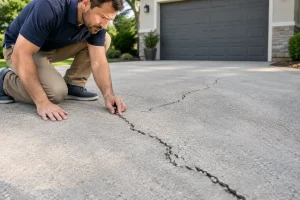
A small crack is not always an emergency, but it should not automatically be ignored. Concrete expands and contracts with heat, and minor surface wear can happen over time. The concern grows when a crack widens, separates into uneven sections, or continues toward the house, steps, or patio edge.
Uneven settling is another clear warning sign. If one section of a slab has dropped, pavers are rocking underfoot, or a transition from the patio to a doorway has become uneven, the issue may involve drainage, soil movement, or poor support beneath the surface. Filling the gap alone may improve the appearance for a short time, but it will not correct the reason the patio moved.
Watch for water after rain or irrigation. Standing water that remains for hours, water flowing toward the house, and erosion along patio borders deserve a closer inspection. Davenport’s heavy rain can magnify a minor slope problem, washing away base material and allowing concrete or pavers to settle further.
Other issues that call for a repair assessment include loose handrails, deteriorated caulk around patio doors, rotted trim, damaged screens, crumbling step edges, and worn paint on exterior structures. These items may seem unrelated, but handling them together can save time and help create a cleaner, more durable finished result.
What a Patio Repair Contractor in Davenport FL Should Inspect
A quality patio repair starts with a smart inspection. Before recommending concrete patching, paver resetting, sealing, or replacement, a contractor should look at the whole area: the patio surface, edges, drainage path, adjacent structures, and the connection to the home.
The condition of the base matters as much as the surface. A patio that is cracking because its base is failing needs a different solution than a patio with a shallow cosmetic crack. Likewise, a paver patio with a few loose units may only need leveling and joint sand, while widespread movement may require sections to be lifted and the underlying material rebuilt.
Drainage needs careful attention in every outdoor project. The goal is not simply to move water off the patio. It is to direct it away from the home without creating runoff problems around fencing, walkways, landscaping, or neighboring areas. Sometimes a practical repair includes adjusting the grade, repairing a damaged edge, or addressing a nearby gutter discharge that is flooding the patio during storms.
At Davenport Handyman Services, inspection-led planning helps customers understand the condition of the patio before work begins. That approach makes it easier to compare repair choices, set priorities, and avoid paying for a temporary fix when a more lasting solution is needed.
Common Patio Repair Options
The best repair depends on the material, the cause of damage, the age of the patio, and the intended use of the space. A homeowner preparing for occasional family gatherings may have different priorities than a landlord maintaining several rental homes or a business responsible for safe customer access.
Concrete Crack and Surface Repairs
For stable concrete with narrow, non-moving cracks, cleaning, preparing, and filling the damaged area may be appropriate. Surface patching can also address small chips, flaking spots, and worn edges. Color and texture can vary after a patch, particularly on older concrete, so it is wise to discuss appearance expectations before choosing this option.
When concrete has major displacement, deep cracking, or widespread deterioration, partial removal and replacement may provide better value. It costs more upfront than patching, but repeatedly patching a failing slab can become frustrating and expensive over time.
Paver Leveling and Replacement
Pavers offer flexibility because individual units can often be removed, reset, or replaced. Repairs may involve correcting the base, restoring edge restraints, replacing broken pavers, and refilling joints. This work can improve safety while preserving much of the existing patio.
The trade-off is matching. Older pavers may be faded or discontinued, so new replacement pieces can stand out. In some cases, placing new pavers in a border or planned pattern gives the repair a more intentional appearance.
Drainage and Patio Edge Repairs
Patio edges carry more stress than many owners realize. When edging breaks down, pavers can spread outward, soil can wash away, and the patio can become uneven. Repairing the border and stabilizing the surrounding area protects the work already completed.
Drainage adjustments may be part of the same project. Correcting runoff early is especially valuable when the patio sits near exterior doors, a screened area, or the home’s foundation. A dry, properly draining patio is easier to maintain and more comfortable to use after a storm.
Exterior Finishing Work
A patio repair project may also include repainting, minor carpentry, fence repair, concrete step repair, screen-related support, or exterior caulking. Combining compatible tasks can reduce disruption and provide a more polished result. Still, not every project should be bundled. If a structural issue requires a specialized evaluation, it should be addressed properly rather than folded into a cosmetic repair.
Repair, Resurface, or Replace: How to Decide
The lowest estimate is not always the most affordable answer. A low-cost patch can make sense when the patio is structurally stable and the damage is isolated. It is less appealing when the repair is likely to crack again after the next season of heavy rain.
Resurfacing may be an option when the slab is sound but the finish is stained, worn, or lightly damaged. It can refresh the appearance of a patio without the cost of full replacement. However, resurfacing cannot solve settling, serious cracks, or drainage problems below the slab.
Replacement is generally worth considering when there is extensive movement, recurring water damage, crumbling concrete, or a patio layout that no longer works for the property. This is also the right time to consider practical upgrades such as wider walking areas, safer steps, improved drainage, or a better transition to a yard or outdoor living space.
A clear estimate should explain the recommended scope, materials, preparation work, and any conditions that could affect the final repair. Property owners deserve to know whether the contractor is repairing the visible damage only or addressing what caused it.
Preparing for a Patio Repair Project
Before work begins, clear furniture, planters, grills, and personal items from the patio. If the project affects an access path, gate, or exterior door, discuss how the work area will be managed. Landlords and property managers should also give tenants clear notice about noise, access, and temporary safety restrictions.
Take a few photos before the project starts, especially if you have noticed standing water or cracks that change after rain. These images can help explain the history of the problem during the inspection. If irrigation runs near the patio, identify the sprinkler heads and let the contractor know about any underground features you are aware of.
After the repair, regular maintenance protects the investment. Keep debris out of drainage paths, address small edge problems before they spread, and avoid pressure washing or harsh chemicals that can damage certain finishes or wash out paver joints. A quick check after a heavy storm is one of the simplest ways to catch new concerns early.
A repaired patio should feel safe underfoot, drain properly, and support the way you use your property. Whether the job is a cracked slab, shifting pavers, damaged steps, or water collecting near the house, timely professional attention can turn a frustrating outdoor problem into a lasting improvement.