Damaged Drywall Restoration for Stronger Walls
A wall can look like a small problem until the damage begins to spread. A door-handle hole, bubbling paint near a bathroom, a ceiling stain, or crumbling drywall around a window can affect both the appearance and condition of your property. Damaged drywall restoration is about more than making a wall look smooth again. It means finding out what caused the issue, stabilizing the affected area, and completing a repair that holds up over time.
For homeowners, landlords, and property managers in Davenport, a timely repair can prevent a minor eyesore from becoming a larger maintenance expense. The right solution depends on the size of the damage, the location, and whether water, movement, pests, or an impact created the problem in the first place.
Why Damaged Drywall Needs Prompt Attention
Drywall is durable for everyday living, but it is not designed to withstand repeated moisture, major impacts, or structural movement. Small dents and nail holes are usually cosmetic. Larger cracks, soft areas, stains, or sagging sections can point to a deeper concern that should not be covered with spackle and paint alone.
Moisture is one of the most common reasons drywall fails. A slow plumbing leak, an AC condensate issue, roof intrusion, or high humidity can soak into the paper facing and gypsum core. Once drywall becomes soft or swollen, it may lose its strength. Painting over a water stain may improve the color temporarily, but it will not correct active moisture or prevent the stain from returning.
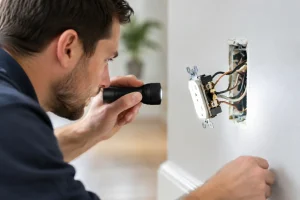
There is also a practical safety issue. Damaged drywall around electrical outlets, plumbing fixtures, doors, and ceilings deserves careful attention. A professional inspection helps identify whether the repair is limited to the wall surface or whether another home system needs service before restoration begins.
Start With the Cause, Not the Patch
The best drywall repairs begin with a smart inspection. Before cutting out material or applying compound, the source of the damage needs to be clear. This protects your investment and avoids repairing the same location twice.
A clean puncture from moving furniture may only require a patch, joint compound, sanding, primer, and matching paint. A long crack above a doorway may be caused by normal settling, but it can also result from framing movement or a loose seam. Water damage near a shower, kitchen sink, or air handler should be evaluated for leaks and lingering dampness before new drywall is installed.
Signs the Damage May Be More Than Cosmetic
Pay attention when drywall feels soft, appears swollen, or has a musty odor. Brown or yellow staining, peeling paint, recurring cracks, and visible mold-like spotting are also reasons to look beyond the surface. Ceiling damage should be treated with added urgency, especially if the area is sagging or wet.
It depends on the situation, but removing a damaged section is often safer than trying to dry and cover it. This gives the repair team a chance to inspect the cavity, confirm that the area is dry, and replace compromised material with a solid foundation for finishing.
What Professional Drywall Restoration Includes
Quality restoration is a sequence of careful steps, not a quick cover-up. At Davenport Handyman Services, the process starts with evaluating the affected wall or ceiling and discussing the best repair approach for the property, timeline, and budget.
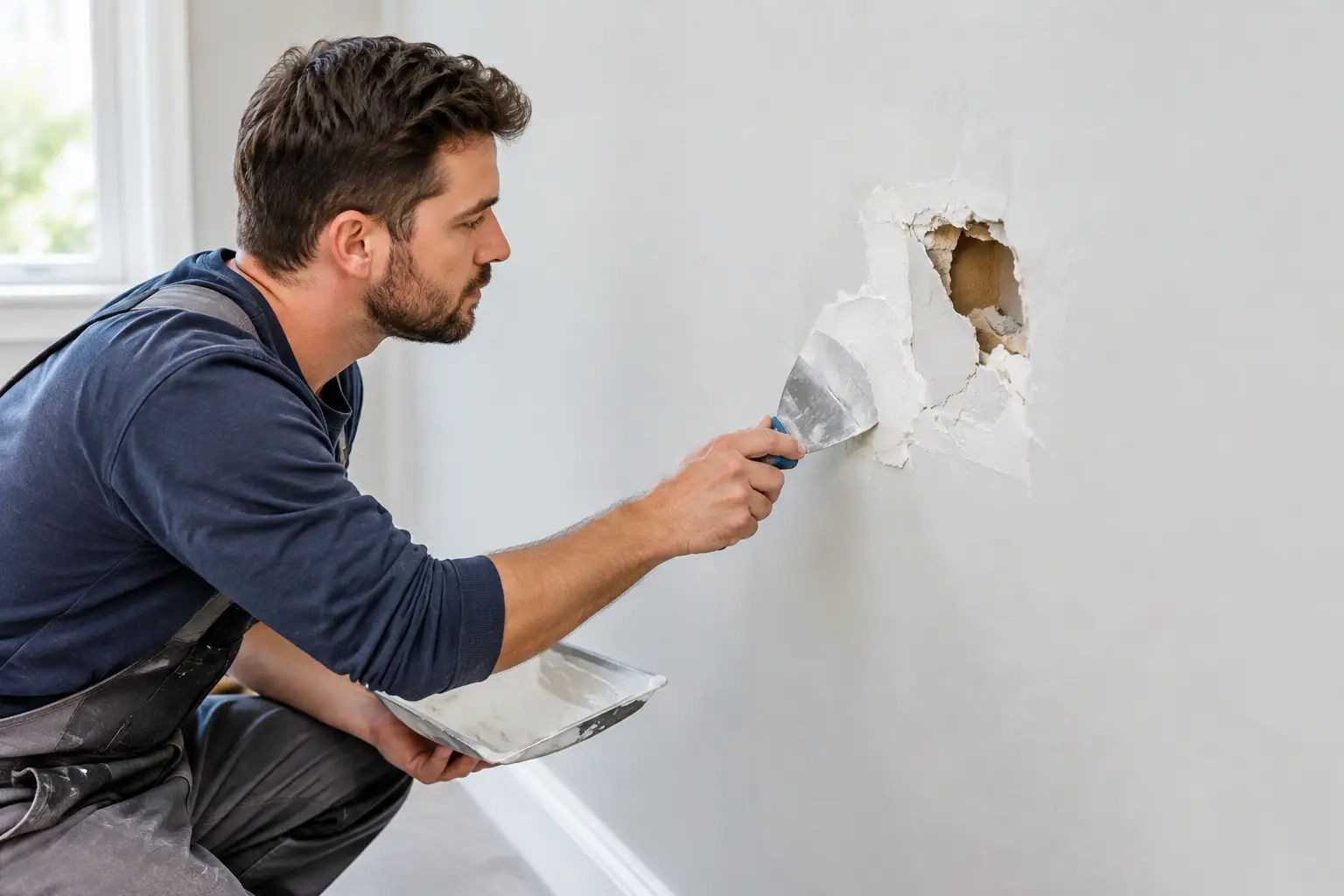
First, loose, wet, cracked, or damaged drywall is removed as needed. If a hole is small, a backing support or patch may be installed without opening a larger section of wall. For broader damage, replacement drywall is cut to fit the opening securely and fastened to stable framing or backing.
Next comes the finishing work that determines how natural the repair will look. Seams are taped, then covered with multiple thin layers of joint compound. Each layer needs appropriate drying time before sanding. Rushing this stage can leave ridges, visible tape lines, or a patch that shows through after painting.
Texture matching matters, especially in Central Florida homes with orange peel, knockdown, popcorn, or hand-textured finishes. A perfectly flat patch on a textured wall can be just as noticeable as the original damage. The repair should blend into the surrounding surface before primer and paint are applied.
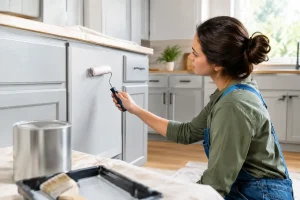
Painting is the final visual step, but it is not always as simple as using the remaining can in the garage. Sunlight, age, humidity, and previous touch-ups can change how a paint color appears. In some cases, painting from corner to corner on one wall creates a more consistent result than spot-painting a repaired area. This is a trade-off worth considering when appearance is a priority, particularly in entryways, living rooms, and rental turnovers.
Repair or Replace? Making the Right Call
Small nail holes, shallow dents, minor corner damage, and isolated door-handle impacts are typically good candidates for repair. These jobs are often fast and affordable when the surrounding drywall remains firm and dry.
Replacement becomes the better option when damage covers a wide area, drywall is soft from moisture, mold-like growth is present, or the gypsum has broken down. A heavily cracked ceiling, a wall section damaged by a plumbing leak, or drywall that has separated from framing should not be treated like a simple cosmetic patch.
The goal is quality without compromise, not unnecessary demolition. A knowledgeable handyman can recommend the least invasive repair that still gives you a durable, polished result. That approach helps control costs while protecting the appearance and function of the space.
Drywall Repairs for Rentals and Commercial Properties
For rental homes, vacation properties, offices, and retail spaces, damaged walls can affect tenant satisfaction, property value, and move-in schedules. Fast service is valuable, but workmanship still matters. A poor patch can crack again, show through the paint, or create a noticeable blemish during an inspection.
Property managers often benefit from coordinating drywall repair with related work such as painting, plumbing corrections, electrical repairs, flooring replacement, or moisture cleanup. Having one dependable local team handle connected maintenance needs can reduce scheduling delays and simplify communication.
Commercial properties may also need repairs planned around business hours, customer traffic, and access requirements. A clear scope of work and careful site protection help keep disruption to a minimum while restoring a professional appearance.
Protect Restored Walls From Future Damage
Once the wall is restored, a few practical habits can help it stay that way. Install door stops where handles regularly hit walls, address leaking fixtures promptly, and keep an eye on ceilings after heavy rain or AC issues. In garages, hallways, and rental units, corner guards or protective bumpers can reduce repeat impact damage.
If you notice a stain, soft spot, or spreading crack, avoid waiting for it to become a larger project. Early inspection usually creates more repair options and a more manageable budget. A clean, solid wall makes the entire room feel cared for, and a well-planned repair gives you confidence that the improvement will last.