
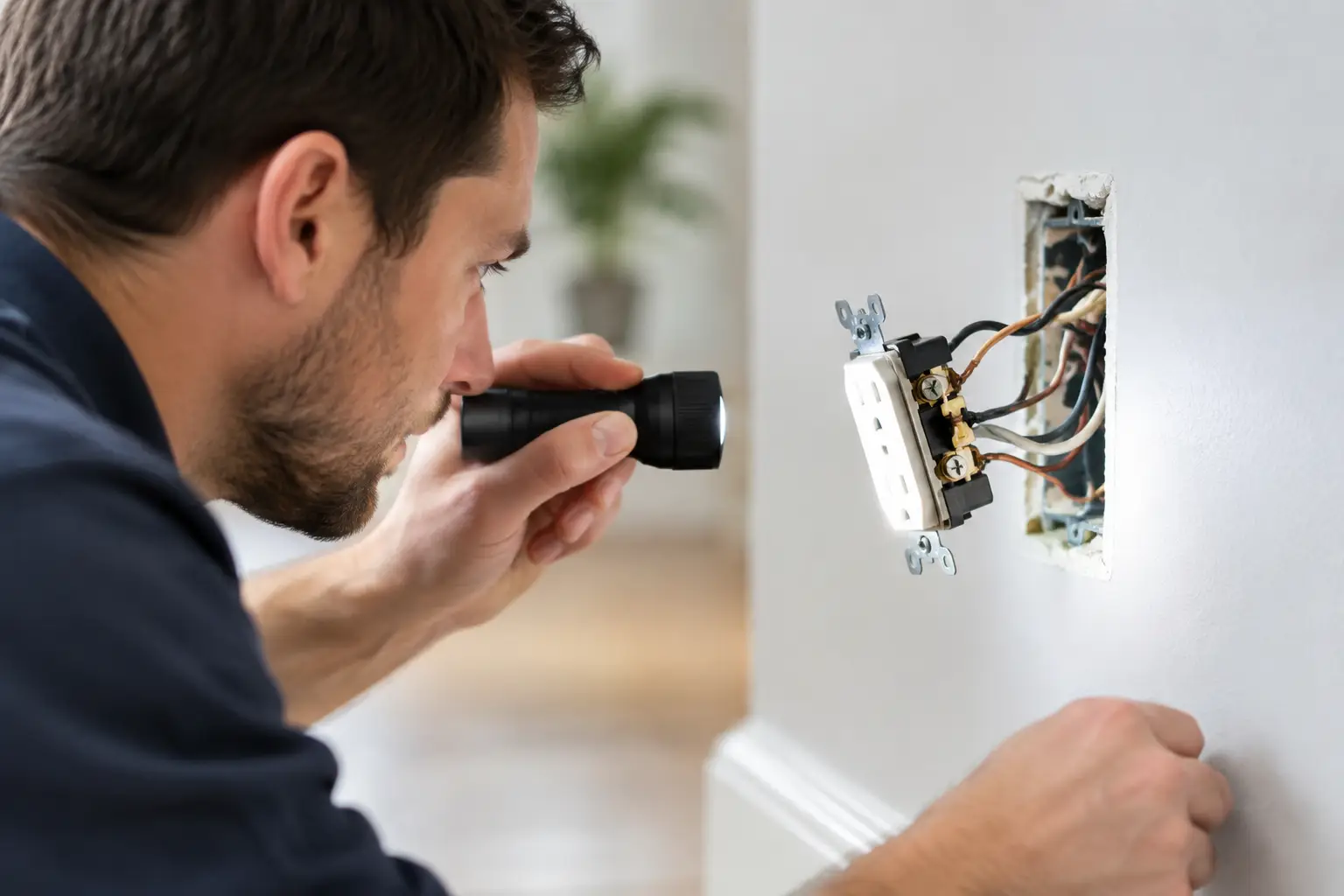
Can Old Wiring Be Dangerous in Your Home?
A light that flickers when the AC starts, an outlet that feels warm, or a breaker that trips every few days can seem like minor household annoyances. But can old wiring be dangerous? Yes, it can be – especially when aging components, past repairs, moisture, and modern electrical demands all meet behind your walls.
Older wiring is not automatically unsafe simply because of its age. Many well-maintained electrical systems continue to serve homes reliably for decades. The concern is whether the wiring, connections, panel, outlets, and safety devices are still in good condition and suitable for the way the property is used today. For homeowners, landlords, and property managers in Davenport, a professional inspection can replace uncertainty with a clear, practical repair plan.
Why old wiring can become a safety issue
Electrical wiring has a hard-working job. It carries power every day through heat, humidity, vibration, electrical load changes, and years of use. Over time, insulation can become brittle, connections can loosen, and outlets or switches can wear out. Those conditions may create excess heat, arcing, shocks, damaged appliances, or, in serious cases, an electrical fire.
The wiring itself is only one part of the picture. An older home may have received additions, garage conversions, remodeled kitchens, or outdoor equipment without a full electrical upgrade. A system designed for a few lights, small appliances, and a television may now be asked to support large-screen electronics, computers, chargers, microwaves, air fryers, HVAC equipment, and other high-demand devices.
Florida conditions can add another layer of concern. Humidity, water intrusion, storm damage, and corrosion can affect exterior outlets, panels, garage wiring, and connections near plumbing. Even a small leak inside a wall can create a problem when it reaches electrical components.
Warning signs old wiring needs attention
Some electrical hazards are visible, while others develop quietly. If you notice one isolated issue, it may be a simple repair. If several signs occur together, it is wise to arrange an inspection rather than continuing to reset breakers or work around the problem.
Common warning signs include:
- Breakers that trip repeatedly or fuses that blow more than once
- Flickering, dimming, or buzzing lights
- Warm, discolored, cracked, or loose outlets and switch plates
- A burning smell, sizzling sound, or visible sparks near an outlet, panel, or fixture
- Mild shocks or tingling when using a switch, appliance, or outlet
- Extension cords and power strips being used as permanent solutions
- Two-prong outlets in areas where grounded outlets are needed
- An electrical panel that is rusty, damaged, noisy, or difficult to operate
A burning odor, smoke, sparks, or a hot electrical panel should be treated as an urgent issue. Turn off power to the affected area if it is safe to do so, avoid touching damaged equipment, and seek qualified help promptly. Do not keep testing the outlet or breaker to see if the issue goes away.
Breakers are meant to trip
A tripped breaker is a safety feature, not a nuisance to defeat. It shuts off power when a circuit is overloaded or when it detects a fault. Resetting a breaker once after an obvious overload may be reasonable. Resetting it repeatedly without finding the cause can allow a dangerous condition to continue.
For example, a kitchen circuit may trip because too many appliances are running at once. It could also be signaling a loose connection, failing appliance, damaged wire, or moisture problem. A professional diagnosis separates a simple load issue from a repair that should not wait.
Types of older wiring that deserve a closer look
The age of a property can offer clues, but an inspection is more reliable than assumptions. Different homes have different renovation histories, and previous owners may have updated some areas while leaving others untouched.
Cloth-insulated wiring is common in some older homes. Its protective covering can deteriorate with age, heat, or pest activity, exposing conductors or leaving them more vulnerable to damage. Knob-and-tube wiring, found in much older properties, may still operate in limited situations but often lacks the grounding and safety features expected in modern electrical systems. It needs careful evaluation before insulation, remodeling, or added electrical load changes are introduced.
Aluminum branch-circuit wiring, used in some homes built during certain periods, requires properly rated connections and installation methods. Aluminum expands and contracts differently than copper, so incorrect connections can loosen and overheat. This does not always mean an entire home must be rewired, but it does mean the system should be assessed by a qualified professional familiar with the material.
Older panels, fuse boxes, and outdated outlets can also be part of the concern. A panel may be functional yet have too little capacity for the household’s current needs. Likewise, an old outlet may look fine from the front while its internal contacts are worn or its wiring connections are loose.
Modern safety features make a real difference
Electrical safety standards have improved because they address real risks found in homes. Ground-fault circuit interrupters, often called GFCIs, help reduce shock hazards in areas where water is present, such as bathrooms, kitchens, garages, laundry areas, and outdoors. Arc-fault circuit interrupters, or AFCIs, are designed to help detect certain hazardous arcing conditions that traditional breakers may not catch.
These devices are not a cure-all for damaged wiring, and they need proper installation. Still, updating protection in the right locations can be a valuable part of a larger electrical repair or improvement plan. Surge protection, grounded outlets, weather-resistant outdoor receptacles, and correctly sized circuits can also improve both safety and everyday convenience.
The right solution depends on the property. A small outlet repair may be enough in one room. Another home may benefit from panel work, dedicated circuits for major appliances, or partial rewiring during a renovation. Quality without compromise means fixing the actual problem rather than selling a larger project that is not needed.
What to expect from an electrical inspection
A thorough inspection starts with the concerns you have noticed: tripping breakers, a problematic outlet, renovation plans, or uncertainty about the age of the system. The technician can review the panel, visible wiring, outlets, switches, grounding, safety devices, and signs of overheating or moisture damage.
From there, the best approach is straightforward: smart inspection, meticulous planning, and proper execution. You should receive an explanation of what is urgent, what can be scheduled, and which improvements may help prevent future issues. That distinction matters for budget planning, especially for rental properties or commercial spaces where downtime and tenant safety are major considerations.
Davenport Handyman Services helps property owners address electrical repair needs with responsive service, clear recommendations, and a focus on safe, dependable workmanship. For repairs that require a licensed electrical specialist, the work should always be handled according to applicable code and permit requirements.
Avoid these temporary fixes
It is understandable to want a fast solution when an outlet stops working or a breaker trips before guests arrive. However, electrical problems are not a good place for improvised repairs. Avoid covering damaged cords with tape, replacing a breaker with a larger size, removing a grounding pin from a plug, or hiding outlets behind furniture where heat and damage may go unnoticed.
Extension cords are intended for temporary use, not permanent power delivery. If a room relies on cords running under rugs or across walkways, the property may need additional outlets or a dedicated circuit. This is especially true in home offices, garages, workshops, and rental units where electrical needs have changed over time.
A safer next step for your property
Old wiring deserves attention when it shows signs of wear, cannot keep up with daily use, or has an uncertain repair history. Waiting for a complete failure can turn a manageable repair into a more disruptive and costly emergency.
If something feels off – a warm outlet, frequent tripping, a strange smell, or lights that regularly dim – trust that signal. A timely inspection gives you a safer home or business, a clearer maintenance plan, and the confidence that your electrical system is ready for the work you ask it to do.


