
Concrete Crack Repair in Davenport, FL Homes
A hairline crack across a Davenport driveway may look like a small cosmetic issue after a hot Florida afternoon. But when that crack starts collecting water, widening at the edges, or creating an uneven walking surface, it can become a bigger repair. Timely concrete crack repair Davenport FL property owners can rely on starts with understanding what caused the damage – not simply filling the visible line.
Concrete is tough, but it is not indestructible. Central Florida heat, heavy rain, shifting soil, irrigation overspray, tree roots, and daily vehicle traffic all place pressure on slabs. The right repair can restore a cleaner appearance, reduce trip hazards, and help prevent water from reaching the base beneath your concrete.
Why Concrete Cracks Happen in Davenport
Most concrete cracks are a sign that the material has moved, shrunk, settled, or been stressed beyond what it can handle. Some movement is normal. Concrete naturally shrinks slightly as it cures, and narrow surface cracks can develop even on a well-installed slab. Those smaller cracks may be mostly cosmetic, but they still deserve attention before moisture and debris work their way inside.
In Davenport, water is often part of the story. Rainwater that runs alongside a driveway, patio, walkway, or garage slab can soften or wash away supporting soil over time. If the slab loses even support, it may settle, crack, or develop a raised edge. Poor drainage, leaking gutters, broken sprinkler heads, and downspouts that discharge too close to the concrete can all contribute.
Florida’s changing temperatures also matter. Concrete expands in heat and contracts as temperatures cool. Expansion joints are designed to accommodate that movement. When joints are missing, damaged, or filled with hard material that prevents movement, the slab may crack somewhere else instead.
Heavy use creates another common problem. A driveway designed for passenger vehicles can crack under repeated loads from large trucks, trailers, or equipment. On commercial properties, delivery traffic, dumpsters, and concentrated foot traffic can wear down concrete surfaces faster than expected.
Which Cracks Need Concrete Crack Repair?
Not every crack requires the same level of concern. A thin, stable line that does not change over time is different from a crack that is separating, sinking, or lifting. The repair method should match the condition of the slab and the source of the movement.
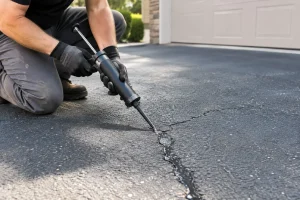
Hairline cracks are usually narrow surface cracks. They can affect curb appeal and may allow water intrusion, but they are often manageable with proper cleaning, preparation, and a flexible concrete repair material. These repairs work best when the surrounding slab is sound and level.
Wider cracks deserve a closer inspection. If a crack is wide enough to collect dirt, leaves, or standing water, it may indicate more substantial movement. A professional may need to remove loose material, prepare the crack to receive a bonding product, and use a suitable patch or sealant that can handle outdoor conditions.
Cracks with a height difference are more urgent. If one side of a walkway or patio sits higher than the other, the issue is no longer just visual. It can create a trip hazard for family members, tenants, guests, and customers. Grinding, patching, lifting, partial replacement, or drainage corrections may be considered depending on the cause and severity.
Watch for cracking near a home’s foundation, garage, pool deck, or load-bearing area. Cracks that continue to widen, run in unusual patterns, or appear alongside sticking doors, wall cracks, or signs of settlement should be evaluated carefully. Surface repair may still be part of the solution, but it should not hide an underlying structural or drainage concern.
The Right Repair Depends on the Cause
A quality concrete repair is more than applying filler and hoping it holds. The visible crack must be cleaned, loose concrete must be removed, and the repair material must be selected for the location, crack size, and expected movement. A patio crack exposed to rain and direct sunlight needs a different approach than a small crack on an interior garage floor.
For stable, narrow cracks, sealing can help keep out moisture and debris while improving the surface appearance. Flexible sealants are useful where slight movement is likely, such as control joints and some exterior cracks. Rigid patching compounds can be appropriate for certain chipped edges, spalls, and deeper areas where the concrete needs to be rebuilt.
When a slab has settled because of washout or poor support, crack filling alone may not last. Correcting drainage is often the smarter investment. That may mean extending a downspout, adjusting the slope around the slab, repairing irrigation leaks, or addressing areas where water repeatedly pools. If soil support has been compromised, the concrete may need more extensive evaluation before repairs begin.
There is a trade-off between a quick cosmetic fix and a longer-lasting repair plan. Filling a crack can make the area look better immediately, but it may not prevent recurrence if water, roots, or slab movement remain unresolved. A clear inspection helps property owners make a practical choice based on safety, budget, and how long they plan to keep the property.
A Smart Process for Concrete Repair in Davenport, FL
The best results come from a straightforward process: inspect the damage, plan the repair, then complete the work with careful preparation. This prevents wasted money on a patch that fails because the real issue was never addressed.
Start With the Surrounding Conditions
Before repairing the crack, look beyond it. Is water pooling nearby after rain? Are gutters overflowing? Is a tree root pushing up the walkway? Has the crack changed since last season? These details help determine whether the issue is simple surface wear or a sign of movement below the slab.
A good inspection also considers the concrete’s use. A cracked front walkway needs to be safe for visitors. A driveway needs to support vehicles. A patio should provide an attractive, comfortable outdoor space. For rental and commercial properties, reducing trip hazards and maintaining a professional appearance may be especially time-sensitive.
Prepare the Surface Thoroughly
Concrete repair materials cannot bond well to dust, loose fragments, oil, mildew, or standing water. Preparation typically includes cleaning the crack, removing deteriorated material, and allowing the surface to dry as required by the product. Skipping this step is one of the main reasons do-it-yourself repairs peel, crumble, or separate.
Outdoor repairs also need the right weather window. Davenport’s rain and humidity can affect cure times and surface conditions. A repair should be protected from moisture when necessary and given adequate time to cure before it carries foot traffic or vehicle weight.
Choose Materials Made for the Job
Using the wrong material can turn a small repair into a repeated maintenance problem. A hard mortar patch installed in an area that continues to move may crack again. A thin coating placed over loose concrete may fail quickly. Premium materials, used with the correct preparation and application, give the repair a better chance to perform as intended.
Color can be another consideration. Even a well-completed repair may not match older concrete perfectly, especially when the original slab has weathered or stained over time. For highly visible patios, walkways, or entry areas, a broader resurfacing or finishing option may produce a more uniform result than patching one isolated spot.
When to Call a Professional
Small, stable cracks may be manageable for experienced property owners, but professional help is worthwhile when the cause is unclear or safety is involved. It is especially wise to schedule an inspection when cracks are widening, concrete is uneven, edges are crumbling, or water regularly gathers near the slab.
Professional service can save time for busy homeowners, landlords, and property managers who do not want to purchase materials, manage cure times, or troubleshoot a failed patch. It also provides one point of contact when concrete damage connects to another property need, such as drainage work, fence repairs, exterior painting, or general maintenance.
Davenport Handyman Services can inspect damaged concrete, explain practical repair options, and provide a free estimate based on the condition of your property. The goal is quality without compromise: a repair that addresses the visible damage while respecting your budget and the way you use the space.
A crack rarely improves by being ignored. Whether it is a small line on a patio or an uneven section of sidewalk, addressing it early can keep a manageable repair from becoming a larger concrete, drainage, or safety project later.