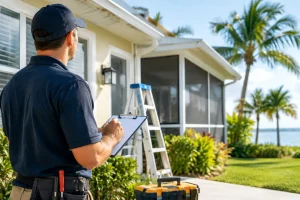

Property Maintenance That Protects Your Investment
A loose fence panel after a summer storm, an air conditioner that runs but never quite cools, or a small ceiling stain can seem like separate problems. In practice, they are all reasons property maintenance deserves a place on your calendar. Consistent attention protects the comfort, appearance, safety, and long-term value of your Davenport home, rental, or commercial space.
For Central Florida property owners, maintenance is not only about keeping things tidy. Heat, humidity, heavy rain, pests, and hurricane-season winds put steady pressure on roofs, HVAC systems, exterior paint, drainage, fences, and concrete. Addressing small concerns early is usually less disruptive and more affordable than waiting for a failure that requires emergency repair.
What Property Maintenance Really Covers
Property maintenance is the ongoing work that keeps a building and its systems functioning as intended. It includes routine inspections, cleaning, minor repairs, preventative service, and planned updates before worn materials become major liabilities.
A well-maintained property should feel dependable from the curb to the back patio. That means doors close securely, outlets work safely, plumbing fixtures do not leak, floors are stable, painted surfaces are protected, and outdoor areas drain correctly after rain. The exact priorities depend on the age of the building, how it is used, and whether it is owner-occupied, rented, or open to customers.
For homeowners, the goal may be avoiding weekend repair surprises and preserving a comfortable place for family and guests. For landlords and property managers, the goal also includes reducing tenant complaints, preventing vacancy-causing damage, and documenting responsible care. Commercial decision-makers need safe, professional spaces that support employees, customers, and daily operations.
Start With Smart Inspection, Not Guesswork
The best maintenance plans begin with a careful inspection. A quick look around the property can reveal obvious problems, but some issues need a closer professional assessment. Water damage behind a wall, an overloaded electrical circuit, a failing garage door component, or an HVAC efficiency problem may not be visible until it causes a larger interruption.
Walk the exterior after heavy rain. Look for standing water near the foundation, clogged gutters, loose fence boards, cracked concrete, peeling paint, damaged screens, and areas where landscaping touches siding. Water should move away from the building, not settle against it. Even a modest drainage concern can contribute to erosion, moisture intrusion, mold conditions, or foundation stress over time.
Inside, pay attention to changes rather than waiting for a complete breakdown. A faucet that drips, a toilet that runs intermittently, a light switch that feels warm, a breaker that trips repeatedly, or a room that stays humid can all signal a repair need. If something affects electrical safety, plumbing leaks, cooling, security, or structural stability, it should move to the top of the list.
A smart inspection also helps separate urgent work from improvement projects. Replacing a worn carpet or refreshing paint may be planned around your budget and schedule. A leaking supply line, exposed wiring, or broken entry door lock calls for prompt action.
Build a Seasonal Maintenance Routine
Central Florida does not follow the same maintenance calendar as colder climates. There may be no freeze-related checklist for most properties, but heat, rain, and storm preparation require regular attention. A simple seasonal routine prevents important work from being forgotten.
Spring: Prepare for Heat and Rain
Before the hottest months arrive, arrange AC service and make sure the system is cooling efficiently. Replace or clean filters as recommended, clear debris around the outdoor unit, and address unusual noises or weak airflow before the unit is working at peak demand.
Spring is also a good time to inspect exterior paint, caulking, fencing, patio areas, and drainage. Repairing small cracks in concrete or resealing vulnerable gaps around windows and doors can help keep moisture where it belongs: outside.
Summer: Watch Moisture and Storm Damage
Summer brings high humidity and intense rain. Check bathrooms, kitchens, utility areas, and ceilings for leaks or signs of mold. Keep gutters and downspouts clear so water can flow freely, and inspect fences, gates, and outdoor structures after severe weather.
This is also the season to watch your energy use. If cooling costs rise unexpectedly, do not assume it is only the weather. Air leaks, aging equipment, dirty filters, poor insulation, or duct issues may be contributing to the problem.
Fall: Repair What Summer Exposed
After the heaviest rains, take a second look at the exterior. Fence repairs, concrete patching, garage door adjustments, and paint touch-ups are easier to plan when damage is still limited. Clear leaves and debris from drainage paths, and make sure exterior lighting works properly as evening arrives earlier.
For rental and commercial properties, fall is a practical time to address turnover repairs or schedule improvements that would be disruptive during busier periods. Flooring replacement, interior painting, and carpet cleaning can make a property feel cared for and ready for the next occupant or customer.
Winter: Plan Improvements and Check Safety Systems
Winter in Davenport can be a productive time for interior projects. Inspect flooring for loose areas or water damage, test smoke and carbon monoxide alarms, tighten loose hardware, and handle the small repairs that have been postponed during busier months.
It is also an ideal time to plan larger upgrades. A clear scope, realistic budget, and material selection made before a repair becomes urgent lead to better decisions and a smoother project.
Prioritize Repairs by Risk and Cost
Not every maintenance item has the same urgency. A practical way to prioritize is to consider what could cause injury, active damage, system failure, or a disruption to daily use.
Safety issues come first. Electrical faults, unstable railings, damaged steps, failing garage doors, broken locks, and trip hazards deserve immediate attention. Water intrusion comes next because it can spread quickly through drywall, flooring, cabinets, and framing. HVAC and plumbing problems should also be addressed promptly, especially when they affect occupant comfort or create the risk of additional damage.
Cosmetic work still matters. Fresh paint, clean carpets, repaired fence sections, and updated flooring improve appearance and protect materials from further wear. The trade-off is timing: cosmetic improvements can sometimes be scheduled, while active leaks and safety concerns cannot.
When several projects compete for the budget, ask two questions: What happens if this waits six months? And will repairing it now prevent replacement later? Those answers usually make the order clearer.
Why One Dependable Team Makes a Difference
Property owners often lose time coordinating separate providers for a leaking faucet, damaged fence, failing outlet, peeling paint, and worn flooring. A broad-scope maintenance partner can simplify that process by inspecting the property, helping prioritize work, and completing many repairs without requiring you to manage multiple appointments.
Davenport Handyman Services approaches projects through smart inspection, meticulous planning, and careful execution. That process is especially valuable when a property has several smaller needs that together affect comfort, safety, and curb appeal. Instead of treating each issue as an isolated task, the work can be organized around what the property needs most.
There are limits to the all-in-one approach, and that is worth recognizing. Highly specialized work, major structural changes, or projects requiring particular permits may call for additional planning or a dedicated licensed trade. A trustworthy contractor will be clear about scope, safety requirements, material options, and what should happen next.
Keep Records That Help You Make Better Decisions
Maintenance records are useful whether you own one home or manage multiple units. Save estimates, invoices, photos, paint colors, appliance model numbers, warranty details, and dates of completed service. These details make future repairs faster and can be valuable when selling, renewing a lease, filing an insurance claim, or comparing long-term costs.
A basic maintenance log also reveals patterns. If the same drain clogs repeatedly, the same room stays warm, or a fence needs frequent repair, there may be an underlying cause worth solving rather than another temporary fix. Good property maintenance is not simply a string of service calls. It is a record of informed decisions that protect your investment over time.
The next time you notice a small issue, treat it as useful information rather than an inconvenience to ignore. A prompt inspection and a clear repair plan can keep one minor concern from becoming the project that disrupts your property, schedule, and budget.