Property Turnover Repair Checklist for Rentals
A vacant rental can look ready at first glance, then reveal a leaking shutoff valve, damaged outlet, loose fence board, or AC issue the moment a new tenant moves in. A thorough property turnover repair checklist gives landlords and property managers a clear way to catch those problems before they become emergency calls, delayed move-ins, or avoidable expenses.
The goal is not to renovate every time a tenant leaves. It is to restore the property to a safe, clean, functional, and market-ready condition while making smart decisions about what needs immediate repair, what can be improved, and what can be monitored.
Start With a Smart Turnover Inspection
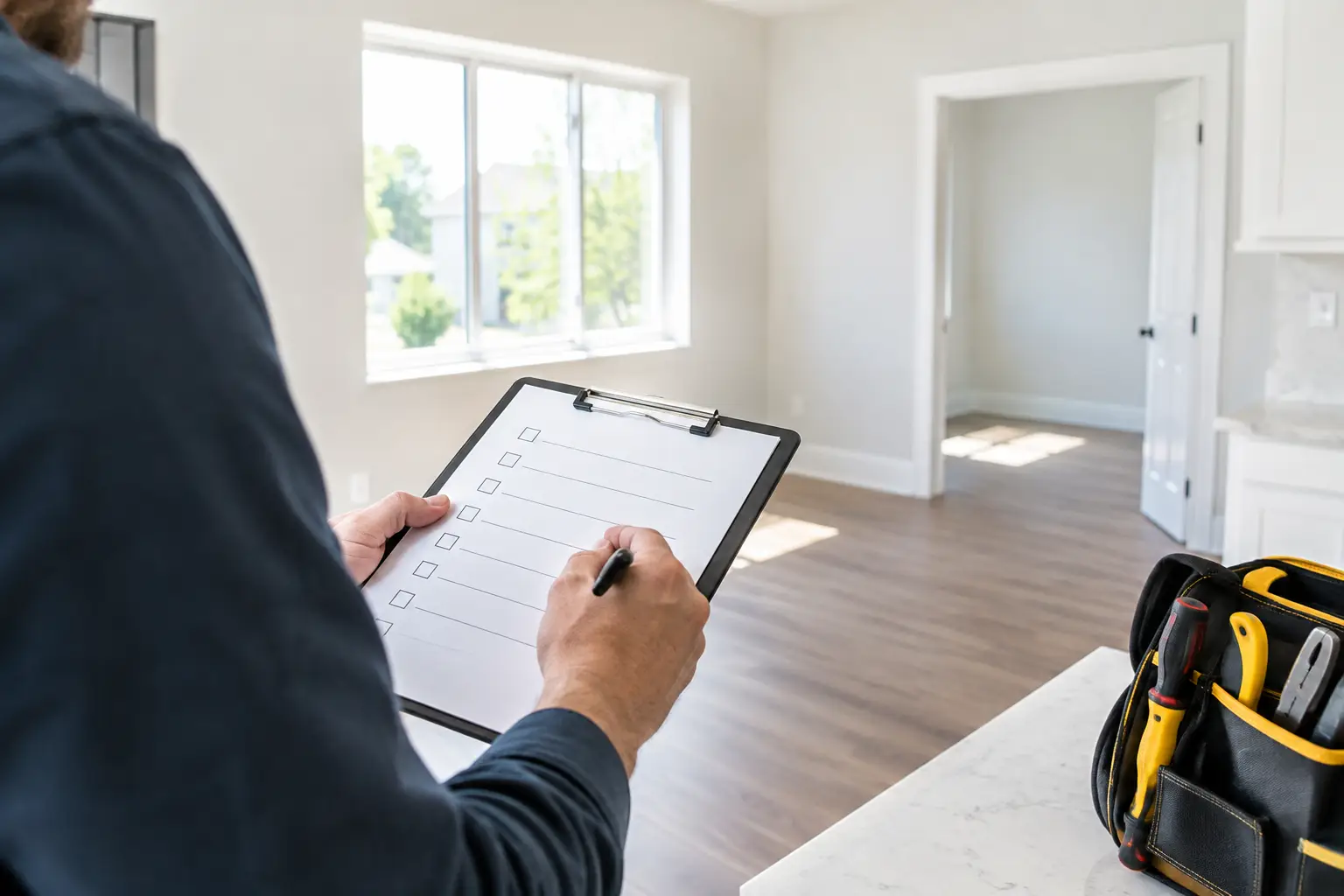
Inspect the home when it is empty, well lit, and before cleaning or painting hides damage. Bring the prior move-in condition report, photos, maintenance records, and any notes from the outgoing tenant. Compare the condition room by room rather than relying on a quick walkthrough.
Look beyond cosmetic wear. A scuffed wall may only need touch-up paint, but discoloration near a ceiling could point to a roof, plumbing, or AC drainage issue. A door that sticks might be a minor hinge adjustment, or it could signal moisture damage or shifting around the frame. Identifying the cause before approving a repair helps prevent repeat work.
Document everything with dated photos and clear notes. This supports fair security-deposit decisions, helps prioritize the scope of work, and gives your repair team a practical starting point.
Property Turnover Repair Checklist: Safety First
Safety and essential systems should always move to the top of the work order. These items affect tenant well-being, liability, and the property’s ability to pass a reasonable move-in inspection.
Check these areas before scheduling cosmetic updates:
- Test smoke alarms and carbon monoxide alarms where required. Replace weak batteries, expired units, and damaged detectors.
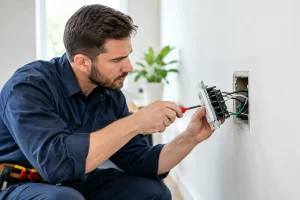
- Test every light switch, outlet, GFCI outlet, ceiling fan, and exterior light. Watch for loose covers, flickering fixtures, warm outlets, or tripped breakers.
- Inspect plumbing supply lines, shutoff valves, faucets, toilets, drains, water-heater connections, and under-sink cabinets for leaks or water damage.
- Run the air conditioning system and check for weak airflow, unusual noises, clogged drain lines, dirty filters, or inconsistent cooling between rooms.
- Confirm that exterior doors, windows, garage doors, gates, and locks close securely and operate as intended.
- Walk paths, patios, steps, railings, and driveways to identify trip hazards, loose handrails, broken concrete, or unstable surfaces.
Florida rentals also need close attention to moisture. Check bathrooms, kitchens, utility areas, windows, and AC closets for musty odors, soft drywall, staining, bubbling paint, or signs of mold. Small water issues can grow fast in Central Florida’s heat and humidity, especially in a vacant home with the AC turned down or off.
Check Every Room for Repair Needs
Once the essential systems are addressed, inspect the interior with the next resident’s daily experience in mind. Open and close doors, drawers, blinds, cabinets, and windows. Turn on fixtures and run water long enough to see how drains perform. Details that seem minor during an empty-house walkthrough are often the first things a tenant notices.
Walls, Ceilings, and Paint
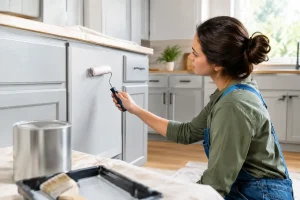
Normal nail holes, light scuffs, and minor touch-ups may be expected between tenants. Large holes, unauthorized paint colors, damaged drywall, stains, or peeling surfaces require more attention. Repair the substrate before painting. Covering a water stain without correcting the leak only delays the real repair.
A fresh, consistent paint finish can make a well-maintained rental feel newer and cleaner. For cost control, reserve full-room painting for visible wear, major repairs, or color changes. A skilled touch-up can be the better choice when the existing paint is still in good condition and an exact match is available.
Flooring and Carpet
Inspect flooring under furniture marks, near exterior doors, around toilets, and along kitchen edges. Look for cracked tile, loose transitions, lifted vinyl, damaged laminate, worn grout, and soft spots that may indicate moisture below.
Carpet should be assessed for stains, odors, pet damage, burns, loose seams, and worn traffic lanes. Professional carpet cleaning may be enough when the carpet is structurally sound. Replacement is often the smarter long-term option when odor, staining, or wear cannot be reasonably corrected. New flooring can reduce future maintenance, but the best choice depends on rental class, budget, and expected tenant turnover.
Kitchen and Bathrooms
In the kitchen, inspect cabinet doors, drawers, hardware, countertops, appliances, sink fixtures, garbage disposal, backsplash, and caulking. Test the dishwasher and check beneath it for signs of a slow leak. Replace failed caulk around sinks and counters to protect the surrounding materials from water intrusion.
Bathrooms deserve extra time. Test toilet stability and flushing, inspect tub and shower caulk, check exhaust fans, and look for cracked tile or failing grout. A bathroom fan that does not vent moisture properly can contribute to peeling paint and mildew, so it should not be treated as a cosmetic issue.
Do Not Skip the Exterior
Curb appeal affects how quickly a rental leases, but exterior turnover work also protects the building. Begin at the roofline and work down. Look for damaged soffit, loose gutters, worn exterior caulk, cracked siding, failing paint, and water-stained trim.
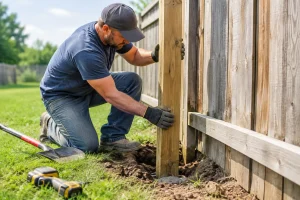
Then inspect fencing, gates, patios, screens, exterior outlets, hose bibs, and garage doors. A leaning fence panel or dragging gate can become a security concern. A cracked patio section, damaged screen, or broken garage-door sensor can create inconvenience and liability before the new resident has even unpacked.
For single-family rentals, check the yard for drainage concerns, overgrowth against the structure, irrigation leaks, and branches that interfere with the roof or service equipment. Make sure the property looks cared for, but also make sure landscaping does not hide problems around the foundation, AC condenser, or exterior plumbing.
Prioritize Repairs Without Losing Time
Not every turnover repair has the same urgency. Organizing the scope of work helps prevent a small cosmetic project from delaying an essential repair.
Address health, safety, security, active leaks, electrical faults, plumbing failures, and AC problems first. Next, focus on repairs that affect daily function, such as damaged flooring, broken appliances, inoperable doors, or poor drainage. Cosmetic work comes after that, although painting, cleaning, and small appearance upgrades may be scheduled alongside repairs to keep the turnover moving.
This is also the right time to decide whether a repair is still economical. Replacing a repeatedly failing faucet, damaged carpet, or worn-out garage door component can cost more upfront, but it may reduce maintenance calls and vacancy-related stress later. On the other hand, replacing items that still have useful life simply to chase a trend may not improve rental performance enough to justify the expense.
Plan the Work in the Right Order
A well-planned turnover avoids rework. Complete inspections and approvals before ordering materials. Handle leak repairs, electrical work, drywall repair, and other disruptive tasks before final paint, flooring, and deep cleaning. Test all systems again after the work is complete.
For property owners who need one dependable point of contact, Davenport Handyman Services can help organize repairs across plumbing, electrical, AC, painting, flooring, fencing, garage doors, and general maintenance. A clear on-site inspection and detailed scope help keep the work practical, timely, and aligned with the condition of the property.
Before advertising the rental, complete a final walk-through as if you were the incoming tenant. Turn on lights, flush toilets, run faucets, test locks, inspect finishes in daylight, and confirm that debris, tools, and repair materials are gone. Take fresh photos after the property is cleaned and ready.
A careful turnover protects more than the next lease date. It sets the expectation that the home is maintained, the owner is responsive, and small issues will be handled before they turn into bigger ones.