
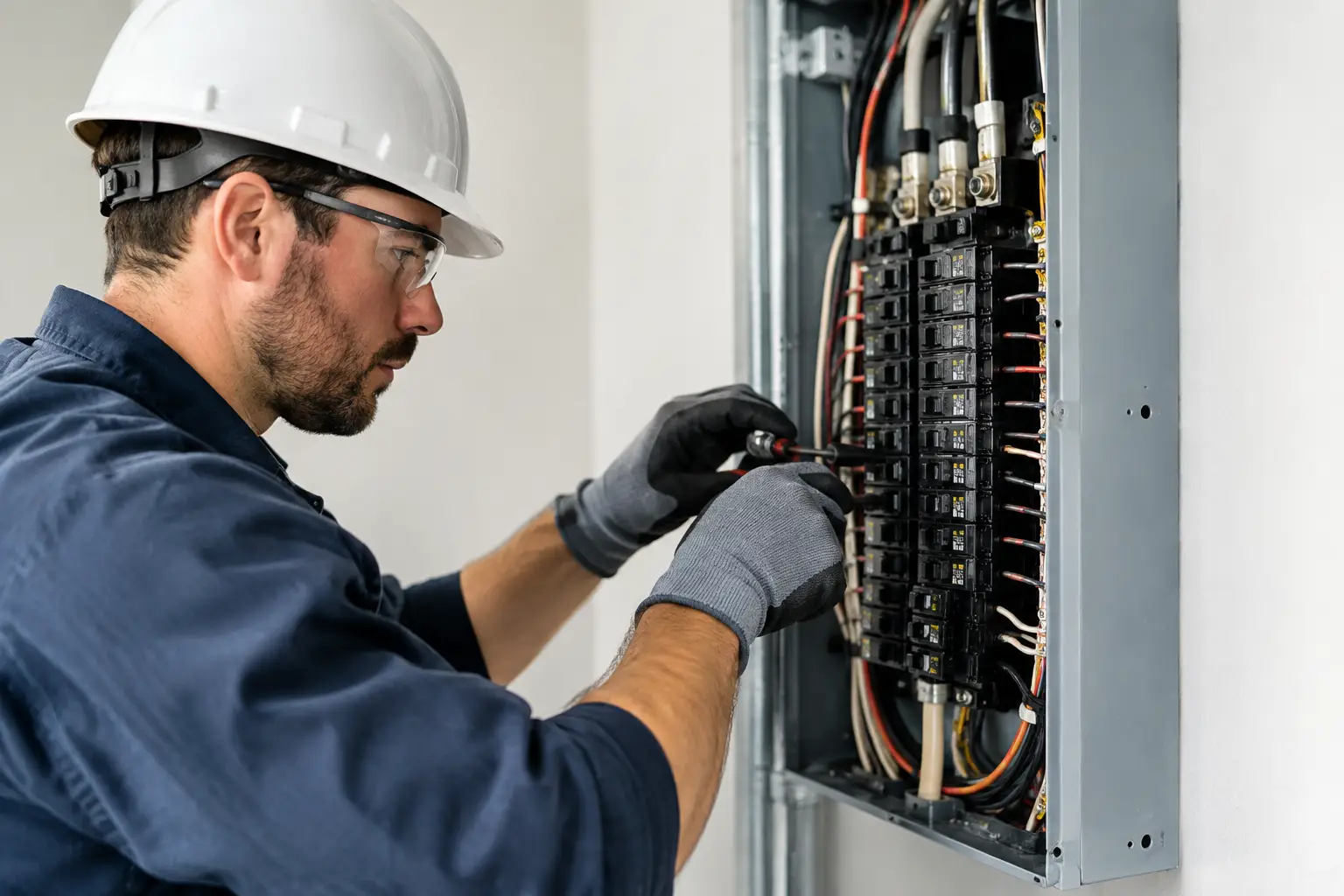
When Electrical Panel Replacement Is Due
A tripped breaker after running the microwave is frustrating. A warm electrical panel, flickering lights, burning odor, or breaker that will not reset is different – those are reasons to stop treating the issue as a minor inconvenience. Electrical panel replacement can protect your property from overloaded circuits, unreliable power, and serious safety risks when the existing system can no longer handle the job.
For homeowners, landlords, and commercial property managers in Davenport, the right solution is not always a full panel upgrade. Sometimes a specific circuit, breaker, connection, or appliance is the real problem. A qualified electrical professional should inspect the system first, explain the findings clearly, and recommend only the work your property needs.
Signs You May Need Electrical Panel Replacement
Your electrical panel is the control center for every circuit in the building. It directs power to lighting, outlets, appliances, HVAC equipment, and other essential systems. When it is undersized, outdated, damaged, or poorly configured, the symptoms often show up throughout the property.
Frequent breaker trips are one of the most common warning signs. A breaker is designed to shut off power when a circuit is overloaded or a fault occurs. One trip after plugging several high-demand items into the same circuit may be expected. Repeated trips under normal use deserve professional attention.
Other warning signs include lights that dim when the air conditioner starts, buzzing or crackling from the panel, corrosion or moisture around the enclosure, loose breakers, scorch marks, and a panel that feels hot to the touch. Never remove the panel cover or attempt to tighten internal connections yourself. Electrical panels contain energized components even when individual breakers are switched off.
Older homes can also need an evaluation after years of additions and upgrades. A property built for basic lighting and a few kitchen appliances may now support central air conditioning, large televisions, computers, pool equipment, garage tools, electric vehicle charging, and outdoor living features. The panel may not have the capacity or available circuit spaces to safely serve those loads.
When a Repair May Be Enough
Not every electrical concern calls for replacing the entire panel. A single worn breaker, damaged outlet, failed appliance, overloaded branch circuit, or loose connection may be repairable. Replacing a panel simply because a breaker tripped once is not a sound plan.
The key question is why the problem happened. If an inspection identifies one defective component and the panel is otherwise modern, properly sized, and in good condition, a targeted repair can be the more affordable choice. If the panel has multiple defects, visible damage, insufficient capacity, or an unsafe design, replacement is usually the wiser long-term investment.
For rental properties, this distinction matters. A quick repair may restore service today, but recurring electrical complaints can lead to tenant disruption, emergency calls, and mounting maintenance costs. A clear inspection-based recommendation helps owners make a decision based on safety, condition, and future use rather than guesswork.
What Happens During an Electrical Panel Replacement
A professional electrical panel replacement starts before any wires are moved. The electrician reviews the existing service, panel condition, circuit labeling, grounding and bonding, electrical load, and the equipment the property uses now or expects to add later. This planning stage helps determine whether the project requires a like-for-like panel replacement, added circuits, a service upgrade, or corrections elsewhere in the system.
The next step is selecting a properly rated panel and breakers. Panel capacity is measured in amps. Many homes have 100-amp or 200-amp service, but the right size depends on the property and calculated electrical demand. A larger panel is not automatically better if the service, meter equipment, wiring, or utility connection cannot support it. Conversely, choosing the smallest option may limit planned upgrades.
Once the scope is set, the necessary permits and utility coordination are handled as required. The power must be shut off while the work is performed, so occupants and tenants should plan for a temporary outage. Refrigerated medications, computer equipment, security systems, garage doors, and temperature-sensitive inventory should be considered before the appointment.
During installation, circuits are transferred, breakers are installed and labeled, grounding and bonding are verified, and the completed work is tested. Clear labels are more than a convenience. In an emergency, they help a homeowner, tenant, or maintenance team shut off the correct circuit quickly.
Permits and Code Requirements in Central Florida
Electrical work is not a place to cut corners. Panel replacement commonly requires permitting and inspection, although exact requirements can vary based on the job scope and local jurisdiction. A permit creates accountability: the work must meet applicable electrical and safety standards before the project is considered complete.
Florida’s heat, humidity, and storm conditions also make proper installation especially valuable. Outdoor equipment, moisture exposure, surge protection needs, and service connections should be evaluated carefully. If your property has experienced water intrusion, lightning-related damage, or repeated power issues after a storm, request an inspection instead of assuming the panel is fine.
Using a properly qualified and licensed electrical professional for panel work protects more than the equipment. It can help prevent fire hazards, reduce liability concerns, and support documentation for property records, insurers, buyers, and tenants. Be cautious of anyone who proposes bypassing permits, reusing visibly damaged parts, or completing major panel work without a clear scope.
Cost Factors to Consider Before You Schedule
There is no honest one-price answer for electrical panel replacement. The final investment depends on the panel size, number of circuits, condition of existing wiring, need for new breakers, access to the panel, permit requirements, utility coordination, and whether the service itself needs upgrading.
A straightforward replacement in an accessible location is generally less involved than an upgrade that requires meter work, new service conductors, grounding improvements, relocation, or corrections to older wiring. Adding circuits for a workshop, pool equipment, a remodeled kitchen, or an electric vehicle charger can also change the scope.
The lowest quote is not always the best value. Ask what equipment is included, whether permitting and inspection are part of the proposal, how circuits will be labeled, and what conditions could create additional costs. A detailed estimate makes it easier to compare service fairly and avoid surprises after work begins.
Smart Planning for Homeowners and Property Managers
Before an inspection, make a short record of the issues you have noticed. Note which breakers trip, what was running at the time, whether lights flicker in specific rooms, and whether problems occur during air-conditioning use or heavy rain. Photos of visible damage can also be helpful, but do not open the panel to take them.
Think ahead as well. If you expect to renovate, add a garage workshop, install a hot tub, replace a range, or add electric vehicle charging, mention it early. Planning for future electrical demand can prevent paying for avoidable changes later.
For multifamily and commercial properties, coordinate access with occupants and communicate the scheduled outage clearly. Identify any critical loads, such as refrigeration, internet equipment, medical devices, security systems, or tenant operations. Good planning keeps the interruption controlled and helps the project move efficiently.
Davenport Handyman Services can help property owners assess related repair and improvement needs, coordinate a practical project plan, and provide a clear path toward quality electrical solutions through qualified service. Whether the concern is a recurring breaker issue or an aging panel that no longer supports the property, prompt action is the safer choice.
If you notice heat, smoke, sparks, a burning smell, or visible panel damage, treat it as urgent. Move away from the area, avoid touching the panel, and contact emergency electrical help. For less immediate concerns, a professional inspection can replace uncertainty with a plan that keeps your home or business powered safely.