
Apartment Turnover Repairs That Protect Your Rental
A vacant unit costs money every day it sits unfinished. The best apartment turnover repairs do more than make a rental look clean for photos – they catch the small leaks, worn surfaces, safety concerns, and functional problems that can lead to a frustrated new resident or an expensive emergency call later.
For landlords and property managers in Davenport and across Central Florida, a successful turnover is a balancing act. You want the unit ready quickly, but rushing without a clear inspection can mean repainting around a plumbing repair, replacing flooring after appliances are moved in, or missing a loose outlet that should have been addressed before move-in. A planned make-ready process protects the property, shortens vacancy time, and gives incoming residents a better first impression.
Start Apartment Turnover Repairs With a Full Inspection
The turnover process should begin after the previous tenant has removed belongings and before cosmetic work starts. Walk every room with a consistent system rather than relying on a quick visual scan. Test what operates, look beneath what is visible, and document the condition with dated photos.
In the kitchen, run the faucet, check the garbage disposal if present, inspect under the sink for moisture, and test cabinet doors, drawers, and appliances. In bathrooms, look for slow drains, running toilets, loose fixtures, cracked caulk, soft flooring near the tub, and signs of water damage around the vanity. A minor drip may seem harmless during a busy turnover, but water damage rarely stays minor when it is ignored.
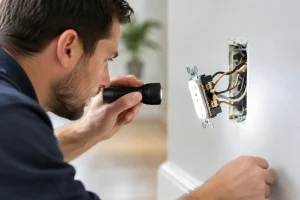
Check electrical outlets, switches, smoke alarms, carbon monoxide alarms where applicable, ceiling fans, lighting, and exhaust fans. Doors and windows deserve the same attention. Confirm that locks operate properly, screens are intact, weatherstripping is in reasonable condition, and sliding doors move without excessive force. In Florida, functioning seals and screens can make a meaningful difference in comfort, moisture control, and pest prevention.
A thorough inspection also helps separate normal wear from damage that needs repair or replacement. Light wall scuffs and small nail holes are common. A broken interior door, heavily stained carpet, missing blinds, damaged cabinets, or a leaking fixture requires a more direct solution. Clear documentation supports fair decisions about security deposits while keeping the focus on getting the property ready.
Prioritize Repairs by Safety, Damage Risk, and Visibility
Not every item needs the same response time. The most efficient turnovers handle work in the right order: safety concerns first, active damage risks second, and cosmetic improvements after the systems behind them are sound.
Safety-related concerns include faulty electrical components, damaged locks, unstable handrails, broken steps, missing smoke alarms, and doors that will not secure properly. These issues should never be postponed simply because the unit otherwise looks rentable. They affect the resident’s well-being and the owner’s exposure from the first day of occupancy.
Next, address anything that can create additional damage. Plumbing leaks, poor drainage, failing caulk around tubs and showers, roof-related staining, damaged window seals, and HVAC concerns can all become costlier if the unit is occupied before repairs are completed. If an inspection reveals moisture, the goal is not just to paint over the stain. Find the source, correct it, allow the area to dry, and then repair the affected surface.
After safety and prevention work is complete, focus on the details a new resident will notice immediately. Fresh paint, clean flooring, repaired baseboards, updated hardware, working lights, and clean caulk lines make a unit feel cared for. These improvements also help owners position a rental competitively without committing to a full renovation every time a tenant moves out.
The Repairs That Commonly Delay Move-In
Many turnover delays come from a handful of repeat issues. Knowing where problems tend to appear allows property owners to plan labor and materials before the schedule gets tight.
Plumbing and bathroom wear
Bathrooms are high-use spaces, and they show it quickly. Toilet flappers, fill valves, faucet cartridges, showerheads, drain stoppers, and caulk often need attention between tenants. Vanity cabinets may also have swelling or deterioration from repeated moisture exposure. Replacing worn parts promptly is usually more cost-effective than waiting for a small problem to turn into a service call after move-in.
Walls, paint, and trim
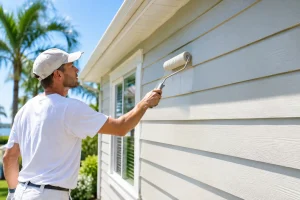
A quality paint job is about preparation as much as color. Walls may need patching, sanding, spot priming, and cleaning before painting. Trim, doors, and baseboards often require separate attention because chips and dents remain visible even when the walls have been refreshed.
Whether a unit needs touch-up work or full repainting depends on the condition of the existing finish and how well the color can be matched. Touch-ups can save time when the paint is in good condition. When there are widespread marks, repairs, fading, or inconsistent sheen, repainting the affected room or the entire unit often produces a more professional result.
Flooring and carpet
Flooring decisions should consider cleanliness, durability, and the expected rental standard. Professional carpet cleaning may be sufficient when carpet is structurally sound and free of persistent odors or major stains. Replacement is often the better choice when carpet is worn, damaged, heavily stained, or retaining odors that cleaning cannot resolve.
For hard flooring, inspect for loose planks, cracked tile, damaged transitions, and water-related swelling. Avoid covering a flooring problem with rugs or furniture during a showing. A new resident will find it, and it will be harder to repair once the apartment is occupied.
Doors, cabinets, and hardware
Loose hinges, sticking doors, damaged screens, worn drawer slides, and missing cabinet pulls can make an otherwise clean unit feel neglected. These repairs are usually straightforward, but they can slow down a turnover when replacement parts are not identified early. Inspecting hardware at the beginning gives the repair team time to source matching components and complete the work before final cleaning.
Plan the Work in the Right Sequence
A turnover can lose days when trades overlap in the wrong order. For example, installing new flooring before resolving a leak risks damaging new materials. Painting before drywall or electrical repairs can create duplicate work. The practical sequence is to inspect, approve the scope, complete repairs behind walls or beneath surfaces, make structural and plumbing corrections, then move into paint, flooring, hardware, and final cleaning.
Material planning matters too. Keep records of paint colors, flooring types, fixture models, cabinet hardware sizes, and appliance information for each unit whenever possible. This reduces guesswork when a repair is needed quickly. Standardizing durable finishes across a property can also simplify future turnovers, though it should fit the building’s rent level and resident expectations.
For a single unit with mostly cosmetic needs, speed may be the priority. For a unit with water damage, electrical issues, or several worn components, a slightly longer turnaround can be the smarter financial choice. A rushed repair that fails after move-in can cost more in emergency service, resident inconvenience, and negative reviews than a well-planned make-ready period.
Know When a Repair Needs Professional Attention
Some turnover tasks, such as replacing cabinet hardware or filling minor wall holes, may be manageable for an experienced owner. Electrical concerns, significant plumbing leaks, HVAC problems, structural damage, garage door issues, and extensive flooring repairs should be evaluated by qualified professionals. The same is true when the cause of a stain, odor, or recurring issue is unclear.
Using one dependable team for a broad turnover scope can reduce coordination problems. Davenport Handyman Services can inspect the unit, help prioritize the work, and complete many common repairs, painting, flooring, plumbing, electrical, and maintenance needs through one organized process. The goal is not to add repairs that do not serve the property. It is to identify what is necessary for a safe, clean, durable, and market-ready home.
Finish With a Move-In Quality Check
Before listing the unit or handing over keys, perform one final walkthrough as if you were the incoming resident. Turn on lights, flush toilets, run water, test outlets and fans, open and lock doors, inspect closets, and look at the apartment from the entryway of each room. Confirm that repair debris, paint dust, and leftover materials have been removed.
This final check is where details matter: a missing switch plate, a cabinet door left misaligned, a light bulb that does not work, or a streaked window can undercut an otherwise excellent turnover. Take final photos and keep invoices and repair notes with the unit file. Those records make the next turnover easier and provide useful context if a concern develops later.
A rental does not need luxury upgrades after every vacancy, but it does need thoughtful care. When repairs are inspected, prioritized, and completed with quality materials and professional workmanship, the next resident walks into a home that feels ready – and the owner starts the new lease with fewer surprises.