House Painting That Holds Up to Florida Heat
A fresh coat of paint can make a Davenport home look cared for overnight, but house painting in Central Florida is about more than choosing a color you like. Strong sun, frequent rain, humidity, and mildew can quickly expose rushed prep work or low-quality products. The finish needs to look great on day one and continue protecting your walls, trim, siding, or stucco through the seasons.
For homeowners, landlords, and property managers, a well-planned paint project is one of the most practical ways to improve appearance, protect building materials, and prepare a property for tenants, guests, buyers, or customers. The difference between a paint job that fades early and one that lasts often comes down to the condition of the surface before the first brushstroke.
Why House Painting Matters in Central Florida
Florida weather puts exterior surfaces through a demanding cycle. UV exposure can dull paint color and weaken the paint film. Moisture can work behind peeling areas, while shaded walls and trim may develop mildew. Even interiors can be affected by humidity, especially in bathrooms, laundry rooms, kitchens, and homes that sit vacant for part of the year.
Painting creates a protective layer, but paint is not a cure for underlying damage. Cracked stucco, rotted fascia, loose caulk, water stains, and damaged drywall should be addressed before painting begins. Covering those problems may improve the appearance briefly, but the paint will usually fail again because the source of the issue remains.
This is why an inspection-led approach saves money. Before recommending products or colors, a dependable painter should look for failed caulk, moisture intrusion, flaking coatings, cracks, nail pops, and surface contamination. That planning step helps define the real scope of work and prevents unpleasant surprises after the project has started.
A Lasting Finish Starts With Surface Preparation
The most visible part of a paint project is the final color. The most valuable part is often the preparation that disappears beneath it. A clean, stable, properly repaired surface gives new paint the adhesion it needs.
Exterior preparation may include pressure washing or hand cleaning to remove dirt, pollen, chalking paint, and mildew. The right cleaning method depends on the material. Stucco, wood, vinyl, masonry, and previously painted trim each need appropriate care. Excessive pressure can damage some surfaces or force water where it does not belong, so cleaning should never be treated as a one-size-fits-all task.
After cleaning and drying, damaged areas need attention. Loose or peeling paint should be scraped and sanded until the remaining edges are smooth. Small stucco cracks should be repaired with compatible materials. Gaps around windows, doors, trim, and siding should be caulked where appropriate to help block moisture and create clean paint lines.
Interior preparation deserves the same attention. Walls may need patching after picture hooks, settling cracks, minor plumbing repairs, or tenant turnover. Stains from water, smoke, cooking, or crayons can bleed through a new topcoat unless they are sealed correctly. Glossy surfaces may need light sanding, and dusty drywall repairs should be primed before finish paint is applied.
A shortcut during prep is rarely a bargain. It often leads to peeling, uneven sheen, flashing over patches, visible roller marks, or premature repainting.
Choosing Paint for the Room or Surface
There is no single best paint for every part of a property. The right choice depends on the surface, its exposure, the condition of the existing coating, and how the space is used.
For exterior walls, a quality acrylic coating is often a practical choice because it can handle temperature changes, resist fading, and remain flexible as surfaces expand and contract. Stucco may need a coating designed for masonry, while wood trim requires careful priming and protection at exposed edges. Metal railings, doors, and fixtures may require specialized primers to prevent rust from working through the finish.
Inside the home, sheen matters as much as color. Flat or matte finishes help hide minor wall imperfections and are commonly used in living rooms and bedrooms. Eggshell and satin finishes offer more washability for halls, family rooms, and children’s spaces. Semi-gloss is a durable option for trim, doors, kitchens, and bathrooms, although its reflective finish can highlight wall flaws if preparation is poor.
Color selection also has practical consequences in Florida. Dark exterior colors may absorb more heat, especially on surfaces with full afternoon sun. Very bright white can look clean and crisp but may show dirt more readily near driveways, entries, and outdoor living areas. For rental homes and commercial properties, neutral colors can simplify touch-ups and appeal to a wider range of tenants or visitors. The best option balances personal taste, maintenance needs, and the character of the property.
Do Not Paint Over Moisture Problems
If paint is bubbling, blistering, or repeatedly peeling in the same location, moisture may be entering from behind the surface. On an exterior wall, the cause could be failed caulk, a roof issue, damaged flashing, or a gutter problem. Inside, it could point to a plumbing leak, an AC condensate concern, or water intrusion around a window.
Painting over the area without resolving the source will only delay the repair. A qualified property-improvement team can help identify whether painting is the final step of the job or whether related repairs should happen first.
What a Professional Painting Process Should Look Like
A clear process makes a painting project easier to manage, particularly when you are coordinating a rental turnover, preparing a house for sale, or maintaining a commercial property. At Davenport Handyman Services, the work begins with a smart inspection so the condition of the surfaces, needed repairs, paint areas, and customer priorities are understood before the project is planned.
Next comes meticulous planning. This includes confirming colors and finishes, protecting landscaping, flooring, furniture, and fixtures, identifying repair work, and setting expectations for access and timing. A free estimate should explain what is included so you can compare options based on scope and materials, not just a low number on the page.
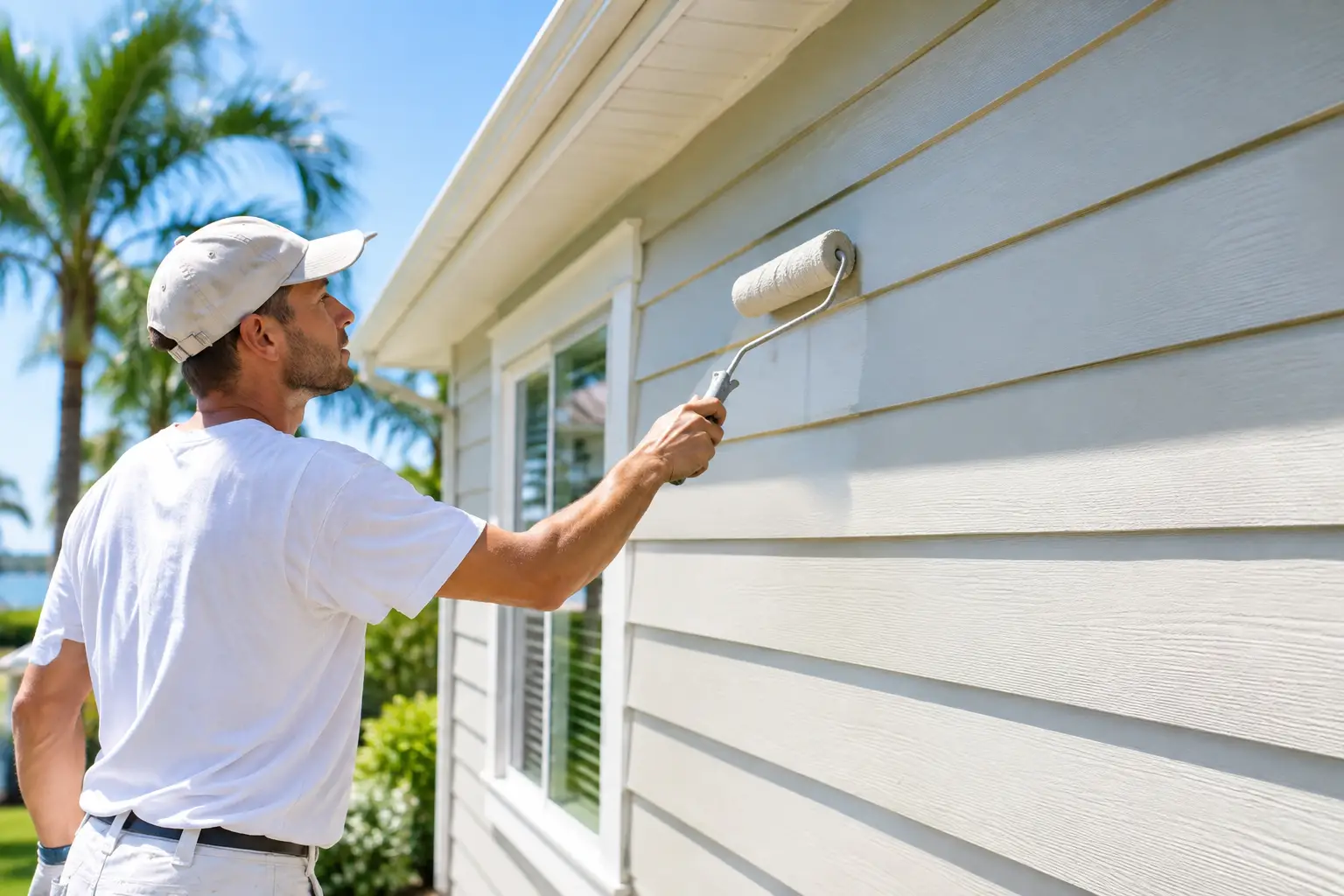
Perfect execution means using careful application methods, maintaining clean cut lines, allowing proper dry time between coats, and checking the final result in good lighting. Depending on the project, brushes may be best for trim and detail work, rollers for broad interior walls, and spraying for certain exterior surfaces or larger areas. The method should fit the surface rather than the painter’s convenience.
Two coats are often the right choice when changing colors, covering repairs, or refreshing a worn exterior. However, the number of coats depends on coverage, the existing color, the product selected, and the surface condition. A professional should explain when additional primer or coats are needed and why.
When to Repaint Your Home or Property
A paint schedule is not fixed. A protected interior bedroom may stay in good condition for years, while sun-facing exterior trim can need attention much sooner. Watch for fading, chalky residue, cracking, peeling, mildew that returns after cleaning, exposed bare material, or caulk that has pulled away from joints.
For landlords and property managers, repainting between tenants can be an efficient time to address wall damage, worn baseboards, and scuffed doors. It helps present a clean, move-in-ready property while access is simpler. For businesses, fresh paint can improve the experience at an entry, lobby, office, or customer-facing area without requiring a complete renovation.
Timing matters outside. Paint needs suitable temperature and humidity conditions, plus enough dry time before rain. Florida’s weather can change quickly, so scheduling should allow room for proper preparation and curing instead of forcing work through unsuitable conditions.
Get More Value From Your Paint Project
Painting becomes more valuable when it is part of a broader maintenance plan. Before exterior painting, it may make sense to repair damaged soffit, fascia, fence boards, screens, concrete cracks, or door trim. Before painting an interior, it may be wise to take care of drywall repairs, leaking faucets, electrical updates, or flooring work first. Completing messy or invasive repairs before the final coat helps protect the new finish from unnecessary damage.
Keep a small, clearly labeled amount of leftover paint for future touch-ups, along with the brand, color name, sheen, and room or surface where it was used. Store it away from extreme heat and moisture. If you are maintaining several properties, a simple color record can make future repairs faster and more consistent.
A quality paint job should leave your property looking sharper, but it should also give you confidence that vulnerable surfaces have been properly prepared and protected. Start with an honest inspection, choose materials suited to Florida conditions, and treat repairs as part of the painting process rather than an afterthought.