Best Exterior Paint Finishes for Florida Homes
Florida sunshine can make a fresh paint color look spectacular on day one, then expose every weak finish after a season of heat, rain, and humidity. Choosing the best exterior paint finishes is not just about shine. It affects how well siding, trim, doors, fences, and masonry resist moisture, dirt, fading, and daily wear.
For Davenport property owners, the right choice usually comes down to matching the finish to the surface and the amount of traffic it receives. A finish that looks beautiful on stucco may be a poor fit for a front door. The goal is a clean, polished appearance backed by protection that lasts.
Why Exterior Paint Finish Matters in Central Florida
Paint sheen refers to how much light a painted surface reflects. Flat paint has very little shine, while high-gloss paint reflects the most light. Higher-sheen finishes are generally easier to wipe clean and more resistant to moisture, but they can reveal dents, rough patches, and other surface flaws.
That trade-off matters in Central Florida. Strong UV exposure can fade poorly protected paint. Afternoon storms drive moisture into unsealed cracks. Mildew can develop in shaded, humid areas around soffits, fences, patios, and exterior walls. Quality paint and careful preparation are essential, but selecting the proper finish gives that work a better chance to perform well over time.
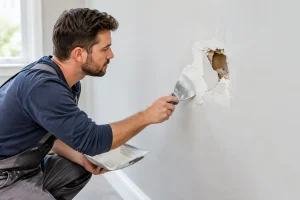
A dependable exterior painting plan begins with inspecting the surface condition. Peeling paint, loose caulk, wood rot, cracks, staining, and mildew should be addressed before new paint is applied. Even premium paint will struggle if it is covering a damaged or poorly prepared surface.
Best Exterior Paint Finishes by Surface
There is no single best sheen for every part of a property. Most professional-looking exterior paint projects use a combination of finishes to balance appearance, durability, and maintenance needs.
Flat and Matte Finish for Stucco and Siding
Flat and matte finishes have little to no reflective shine. They create a smooth, calm appearance that works especially well on broad exterior walls, including stucco, fiber-cement siding, and older wood siding with minor imperfections.
This finish is popular for Florida stucco because it does not call attention to patchwork, texture variations, or small surface irregularities. It also gives exterior colors a rich, even appearance, which can help a home look more modern and well maintained.
The downside is maintenance. Flat paint is less washable than paints with more sheen, and it may scuff or show stains more easily in high-contact areas. It is usually a smart choice for the main body of a home, but not for railings, doors, or other surfaces that people touch regularly.
Satin Finish for a Practical, Low-Shine Look
Satin offers a soft sheen that sits between matte and semi-gloss. It is one of the most versatile options for exterior use because it provides better moisture resistance and cleanability than flat paint without looking overly shiny.
Satin works well on siding, trim in good condition, porch ceilings, shutters, and exterior wood surfaces that need a little more protection. For landlords and property managers, it can be a practical option on rental homes because routine dirt and fingerprints are easier to clean than they would be with flat paint.
Surface preparation still matters. Satin can reveal more flaws than matte paint, though it is much more forgiving than high-gloss finishes. If a surface is worn, rough, or heavily patched, repairs and sanding should be part of the plan before painting.
Semi-Gloss for Trim, Doors, and High-Touch Areas
Semi-gloss is a classic choice for exterior trim, fascia boards, window frames, shutters, railings, and doors. It has a noticeable shine, holds up well against moisture, and is easier to clean after pollen, dust, handprints, or storm debris build up.
A semi-gloss finish also creates contrast. Pairing a flat or satin body color with crisp semi-gloss trim can make architectural details stand out without making the entire exterior look reflective. This is a reliable combination for homeowners who want curb appeal with practical protection.
The trade-off is that semi-gloss shows imperfections. On older trim, peeling edges, nail holes, rough wood grain, and uneven caulk lines will be more visible under a shinier finish. Meticulous prep work makes a real difference here, especially around doors and windows where paint failures often begin.
High-Gloss for Accent Features
High-gloss paint provides the strongest shine and a hard, highly washable surface. It is best used selectively on front doors, decorative shutters, metal railings, accent gates, and certain exterior furniture pieces.
A glossy front door can create an inviting focal point, particularly when the rest of the home uses a lower-sheen finish. It can also be a good choice for metal details that need regular cleaning. However, high-gloss paint is not ideal for large wall areas or rough wood because it magnifies every flaw.
High-gloss coatings require careful sanding, priming, and application. Brush marks, drips, and uneven surfaces are easy to spot. For a polished result, this is often an area where professional execution is worth the investment.
Choosing the Right Finish for Fences and Outdoor Structures
Fences, pergolas, sheds, and patio features face a different set of challenges than exterior walls. They are exposed to sprinkler spray, ground moisture, direct sun, and physical contact from pets, lawn equipment, and outdoor activities.
For painted wood fences, satin or semi-gloss is often the most practical choice. Satin gives the fence a clean finish while hiding more imperfections than semi-gloss. Semi-gloss can be useful on gates, rails, and areas that need frequent washing, but it may highlight cracked boards or uneven repairs.
If the wood has a natural appearance worth preserving, a stain and sealer may be more suitable than paint. Paint forms a surface coating, while stain penetrates the wood and can be easier to maintain when used correctly. The best option depends on the wood’s condition, the desired look, and how much maintenance the property owner is prepared to handle.
For concrete block, masonry, and exterior stucco, use paint designed for those surfaces. These materials need coatings that can handle moisture movement and remain bonded through Florida’s changing weather conditions. The wrong product can trap moisture or lead to premature peeling.
How Color Changes the Look of Paint Sheen
Color and sheen work together. Dark colors often absorb more heat and can fade faster in direct sun, especially on exposed elevations. A darker color in a high-gloss finish may look dramatic, but it can also reveal dust, water spots, and surface damage more quickly.
Lighter colors are often more forgiving in sunny locations. They can help exterior walls feel brighter and may conceal light dust better than deep shades. That does not mean every Florida home needs to be white or beige. It means color selection should consider the direction of the home, surrounding shade, and the maintenance expectations for the property.
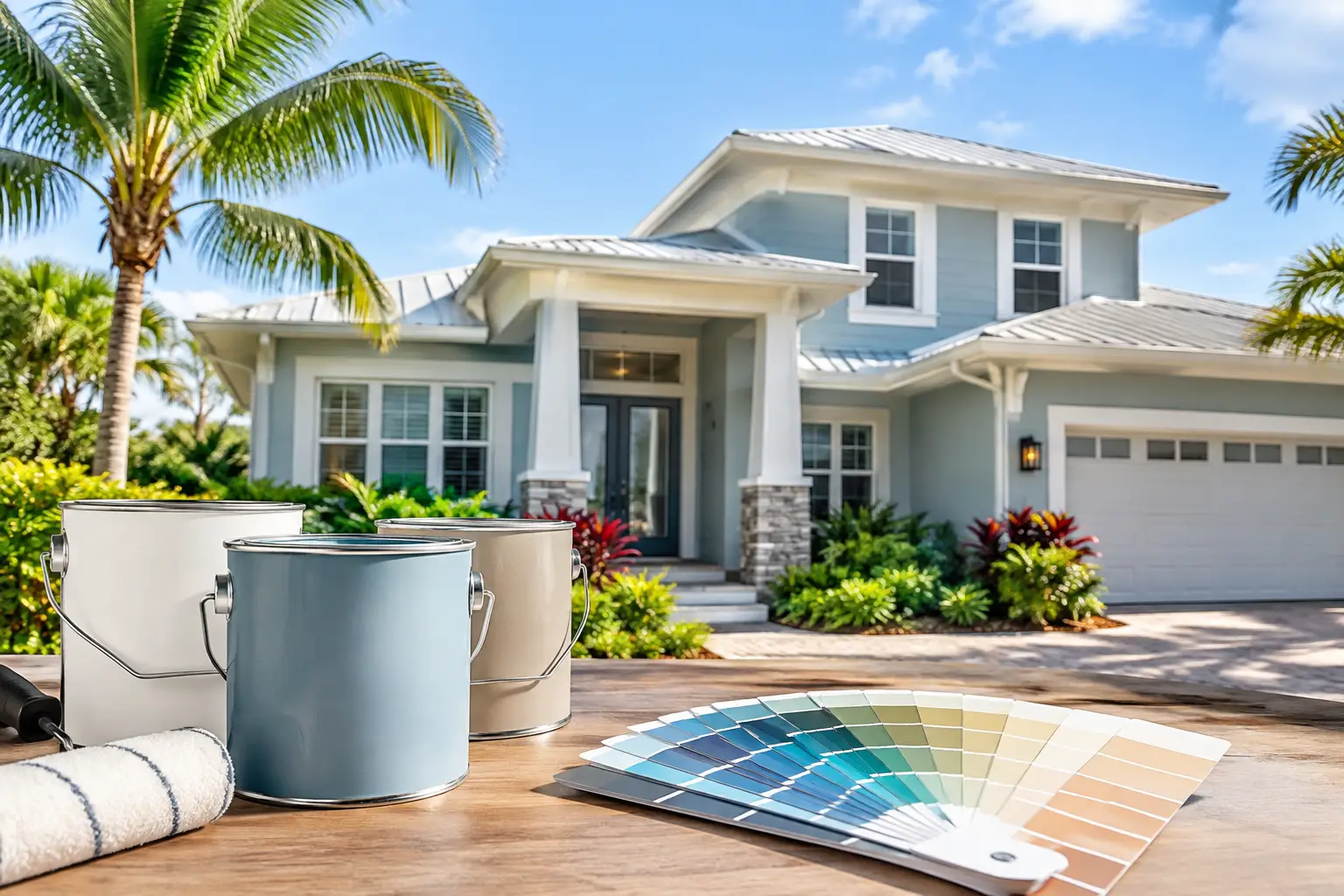
Before committing, test paint samples on the actual surface. View them in morning sun, afternoon light, shade, and after rain if possible. A color that looks soft indoors or on a small card can appear much brighter outdoors.
A Better Exterior Paint Plan Starts With Preparation
The best exterior paint finish cannot compensate for poor preparation. Before painting, surfaces should be cleaned, mildew should be treated, loose paint should be removed, cracks should be repaired, and gaps around trim should be properly caulked. Bare wood, metal, and patched areas may also need the correct primer.
This preparation is where long-term value is created. A quick coat of paint can improve appearance temporarily, but a well-planned project protects the property and helps avoid repeat repairs. Davenport Handyman Services approaches exterior painting with smart inspection, meticulous planning, and careful execution, helping property owners choose finishes that fit both the surface and the budget.
For most homes, a flat or satin finish on the main exterior with semi-gloss on trim and doors delivers the best balance of style and durability. The right choice should make your property easier to maintain, better protected from Florida weather, and more enjoyable to come home to.