How to Unclog a Shower Drain Without Damage
A shower that fills around your ankles is more than an inconvenience. Standing water can leave behind soap residue, encourage mildew, and signal a blockage that may worsen if ignored. Knowing how to unclog shower drain problems safely can often restore normal flow without damaging your plumbing – as long as you start with the right method and know when to stop.
For most Davenport homes, shower drain clogs come from a familiar mix of hair, shampoo and conditioner residue, soap scum, and mineral buildup. The good news is that many of these clogs sit close to the drain opening and respond well to simple, careful cleaning.
Start by Checking What Kind of Clog You Have
Before reaching for a drain cleaner, pay attention to how the shower is draining. If water moves slowly but eventually clears, the blockage is likely partial and close to the surface. If water stands for several minutes, rises quickly, or backs up after you run the bathroom sink, the problem may be farther down the drain line.
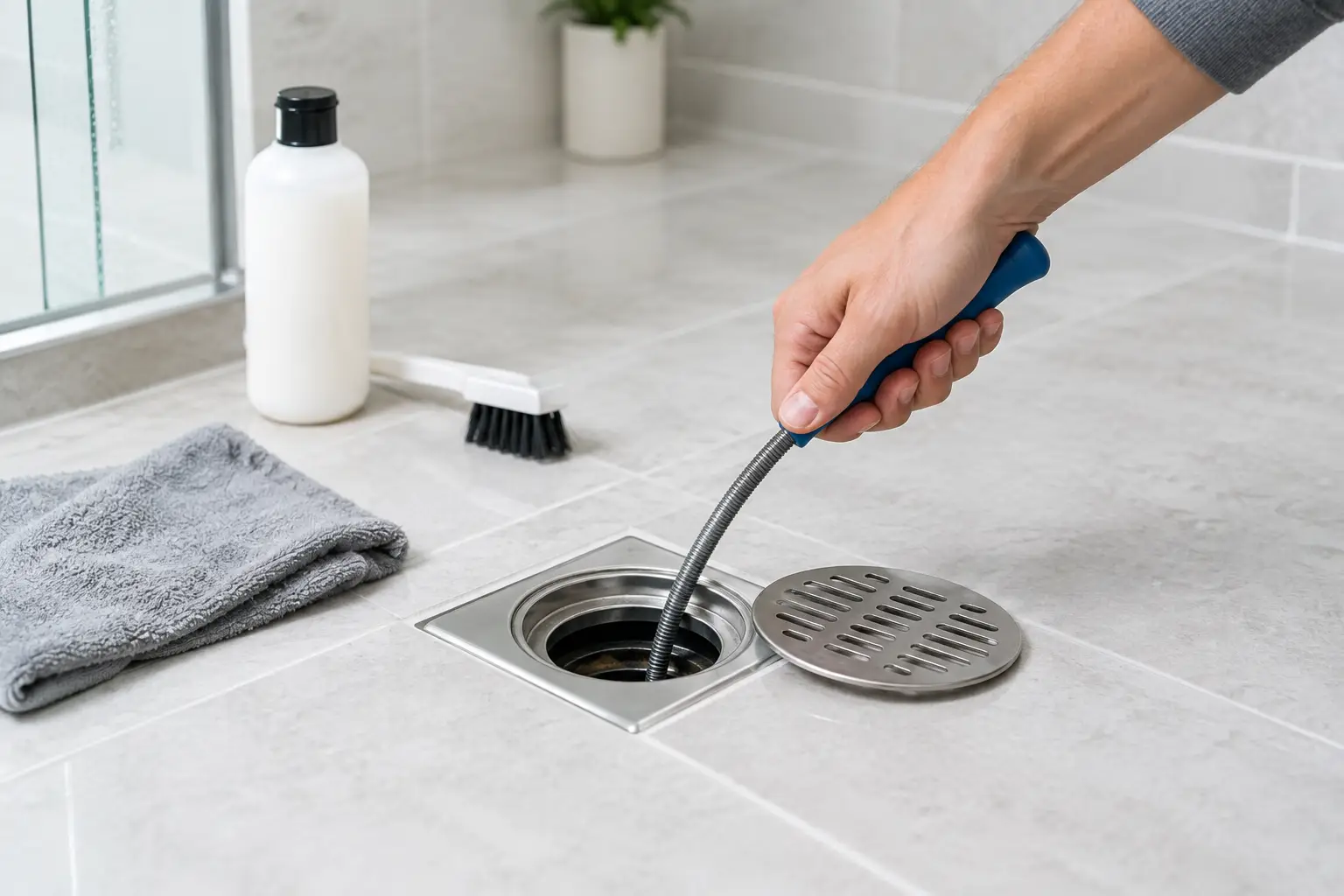
Look at the drain cover first. Hair often collects immediately below it, especially in showers used by several people. Put on gloves, remove the cover if possible, and use a flashlight to inspect the opening. If you can see hair, soap buildup, or a small foreign object, removing it by hand or with a plastic drain tool may be all that is needed.
Do not force tools into the pipe. Older plumbing, loose drain components, and plastic pipes can be damaged by aggressive probing. A gentle approach protects the fixture and gives you a better sense of whether the clog is a simple maintenance issue or a job that needs professional attention.
How to Unclog a Shower Drain With Basic Tools
Begin with the least aggressive solution. This keeps the repair affordable and reduces the chance of creating a larger plumbing problem.
Remove Hair and Surface Buildup
Take off the drain cover and pull out visible hair. A plastic barbed drain-cleaning strip is useful because it can reach past the drain opening, catch hair, and pull it out without scratching the pipe. Insert it slowly, rotate it slightly, and lift it out. You may need to repeat this a few times.
A bent wire hanger can work in a pinch, but it is easier to scratch the drain or push debris deeper into the pipe. A purpose-made plastic tool is the safer choice for routine shower maintenance.
After removing debris, rinse the drain with hot tap water for several minutes. Avoid pouring boiling water into a shower drain, particularly if your home has PVC piping. Very hot water can soften or stress certain pipe materials and joints. Hot water from the faucet is usually enough to help loosen soap residue after the hair has been removed.
Use Dish Soap and Hot Water for Greasy Residue
Conditioners, body oils, and soap can form a slick coating inside the drain. Pour a small amount of grease-cutting dish soap into the drain, let it sit for about 10 minutes, then flush with hot tap water. This method is gentle and works best when the shower is draining slowly rather than completely blocked.
It will not dissolve a thick plug of hair or remove an object lodged in the line. If the water level does not improve, move on to mechanical cleaning rather than repeatedly adding liquids to a backed-up drain.
Try a Plunger the Right Way
A flat-bottom sink plunger can create a seal over many shower drains. Add just enough water to cover the plunger cup, cover the overflow opening if your shower has one, and pump firmly several times. Then lift the plunger and see whether water begins moving freely.
Plunging works by shifting pressure through the line, so a good seal matters. It can be effective on soft clogs made of soap and hair, but it is less likely to solve a solid obstruction or a blockage deep in the main drain line. Stop if water comes up through another fixture or if plunging causes leaks around the shower base.
A Simple Baking Soda and Vinegar Option
For mild soap scum and odor issues, you can use baking soda and white vinegar. Pour about one-half cup of baking soda into the drain, followed by one cup of vinegar. Cover the opening with a damp cloth for 15 to 30 minutes, then flush with hot tap water.
This method is safe for most household plumbing and can freshen a drain, but it has limits. The fizzing action is not strong enough to clear dense hair clogs, hardened buildup, or roots in an exterior line. Think of it as a light maintenance treatment, not a replacement for removing physical debris.
Never use vinegar or baking soda after adding a commercial chemical drain opener. Mixing products can create harmful fumes or cause a dangerous reaction. If you have already used a chemical cleaner and the drain remains clogged, do not add another product. Ventilate the room and arrange for professional service instead.
Why Chemical Drain Cleaners Can Create Bigger Problems
Store-bought chemical drain cleaners may seem like the fastest answer, but they are not always the best choice for a shower clog. Strong formulas can sit in standing water, produce heat, and damage pipe connections, rubber seals, or older plumbing. They can also leave caustic liquid behind, creating a hazard for anyone who later removes the drain cover or services the line.
Chemical products are especially risky when the clog does not clear on the first attempt. Pouring in more cleaner rarely fixes a deep blockage and can make the next repair more complicated. For rental properties and commercial bathrooms, this is an avoidable safety concern because multiple people may use the fixture before the issue is resolved.
Mechanical removal, careful flushing, and a proper inspection are generally more dependable options. They address the material causing the blockage rather than relying on chemicals to force a path through it.
When a Shower Drain Clog Needs a Professional
A slow drain is sometimes a symptom, not the main problem. Call for plumbing help when the clog returns soon after cleaning, multiple drains are slow, water backs up into the tub or shower, or you notice sewage odors. These signs can point to a blockage farther down the line, venting concerns, or a developing sewer issue.
You should also get help if you cannot remove the drain cover, the drain assembly is corroded, or the shower is leaking around the base. Trying to force a cable through a damaged or unfamiliar drain setup can create leaks behind walls or beneath flooring – repairs that cost much more than addressing the original clog correctly.
Davenport Handyman Services can inspect the issue, identify the likely source, and provide a clear recommendation for the appropriate repair. A smart inspection helps avoid guesswork, particularly for landlords and property managers who need a dependable solution that protects the property and keeps tenants comfortable.
Keep the Drain Flowing After the Repair
Once the water is moving again, a small amount of prevention goes a long way. Use a hair catcher that fits securely over or inside the drain, and empty it regularly before hair gets washed into the pipe. Rinse the shower with hot tap water after heavy use, especially if household members use oil-based products or thick conditioners.
Cleaning the drain cover every few weeks is also easier than dealing with a full blockage. For homes with long hair, frequent shower use, or hard-water buildup, make drain cleaning part of regular bathroom maintenance rather than waiting for water to pool at your feet.
A clear shower drain helps protect your bathroom from moisture, odors, and unnecessary wear. If the simple steps do not bring back reliable drainage, getting the right help early can keep a small inconvenience from turning into a more involved plumbing repair.