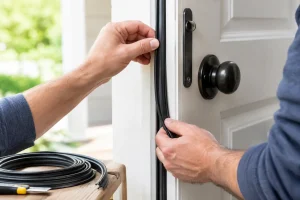

Handyman Estimates That Protect Your Budget
A loose price given over the phone can sound convenient, but it can leave too much unanswered. Clear handyman estimates give Davenport property owners a practical starting point: what needs attention, how the work will be handled, what materials are needed, and what the project is expected to cost. Whether you are repairing a fence, updating flooring, addressing a plumbing concern, or preparing a rental between tenants, the right estimate helps you make decisions with confidence.
A good quote is not simply a number at the bottom of a page. It is the result of a smart inspection, careful planning, and an honest conversation about the condition of your property. That level of clarity protects your budget and helps prevent surprises once work begins.
What Should Be Included in Handyman Estimates?
The best estimates describe the work in plain language. You should be able to see what is being repaired, replaced, installed, cleaned, or improved without having to interpret vague terms. For example, “repair fence” does not provide the same clarity as identifying damaged posts, loose panels, hardware replacement, labor, and the anticipated material type.
A detailed estimate generally addresses the project scope, labor, materials, and expected timing. It may also explain whether the price is fixed for the listed work or whether hidden damage, customer-requested changes, or site conditions could affect the final cost. This matters most on projects where the full condition is not visible at first, such as water-damaged drywall, subfloor concerns beneath worn carpet, aging exterior trim, or a fence post that may have deteriorated below grade.
For property managers and commercial clients, the estimate should also make it easier to document approvals and plan around tenants, business hours, or access requirements. A quote that clearly separates repair priorities from optional improvements can be especially useful when managing multiple properties or working within a maintenance budget.
Why an On-Site Inspection Makes a Difference
Some small jobs can be priced from photos and a clear description. Replacing a few cabinet pulls or hanging a standard fixture may be straightforward when the details are known. Many repairs, however, deserve an on-site look before a firm price is provided.
An inspection allows a handyman to measure the area, check material conditions, locate possible safety concerns, and understand access to the work site. A garage door issue could be related to hardware, alignment, or an opener component. A leaking faucet may be a simple part replacement, but it could also reveal worn shutoff valves or moisture damage inside a cabinet. Looking at the whole situation supports a better recommendation.
At Davenport Handyman Services, the goal of an inspection is not to overcomplicate a repair. It is to recommend the right solution the first time. A small fix may be all that is needed. When a more durable repair or replacement makes better financial sense, you deserve to know why before the project moves forward.
How to Compare Handyman Estimates Fairly
Choosing the lowest number is not always the same as choosing the best value. Two estimates can look very different because one includes premium materials, surface preparation, cleanup, or a more complete repair while the other only covers the most visible portion of the job.
Start by comparing the scope. Are both providers quoting the same repair, material quality, finish, and amount of preparation? If you are getting a painting estimate, confirm whether it includes patching, sanding, primer where needed, protection for nearby surfaces, and cleanup. For flooring work, ask whether the quote accounts for removal of old material, subfloor preparation, transitions, and trim work.
Then consider responsiveness and workmanship. A lower-cost repair that fails early can create a larger expense later, especially with water-related issues, electrical concerns, damaged concrete, or unstable fencing. Quality without compromise means using appropriate materials and completing the details that help the repair last.
It also helps to ask how changes are handled. Reputable service providers explain what happens if they uncover additional damage or if you decide to expand the project. You should have an opportunity to review the adjustment before additional work is performed whenever circumstances allow.
Questions to Ask Before Approving a Quote
You do not need construction experience to evaluate an estimate. A few direct questions can make the process much easier. Ask what work is included, what is not included, and whether materials are part of the stated price. Find out what preparation and cleanup are expected, how long the work may take, and whether you need to provide access, move furniture, or secure pets before the appointment.
For exterior work, ask how weather could affect the schedule. Central Florida rain and humidity can change the timing for painting, concrete repair, fencing, and other outdoor improvements. A professional plan accounts for conditions that could affect material performance instead of rushing work that needs proper drying or curing time.
For repairs involving electrical systems, air conditioning, plumbing, or structural concerns, ask whether permits, code requirements, or specialty work may apply. Not every project needs the same approach. A clear answer helps you understand the next step and keeps safety at the center of the decision.
When a Small Repair Becomes a Larger Project
Property owners often call for one visible problem and discover an opportunity to solve several related issues at once. This can be a smart way to save time and reduce repeat visits, but it should never feel like pressure. The estimate should distinguish between the immediate repair and additional recommended work.
For instance, a request to replace a damaged section of fence may reveal several weakened posts. Replacing only one panel may be the least expensive choice today, while reinforcing or replacing the failing sections may offer better long-term value. The right decision depends on your budget, the age of the fence, your plans for the property, and whether the issue affects security or appearance.
The same principle applies indoors. A carpet cleaning appointment may identify carpet that has reached the end of its useful life. A wall repair may show that a recurring plumbing leak needs attention before painting. A dependable handyman should explain the trade-offs clearly, then let you choose the solution that fits your priorities.
Preparing for a More Accurate Estimate
You can help make the estimate process faster and more precise by gathering a few details before the inspection. Share when the issue began, whether it has happened before, and any recent work completed in the area. Photos can be helpful for scheduling, especially for exterior damage, but they should support rather than replace a close inspection when conditions are uncertain.
Make a short list of what you want addressed during the visit. If you have a loose gate, peeling exterior paint, a dripping faucet, and a damaged baseboard, mentioning all of them upfront may allow the work to be organized more efficiently. For landlords and property managers, provide any access instructions, tenant scheduling needs, or property rules that could affect the appointment.
Finally, be clear about your goal. Are you looking for a durable repair before selling, a polished upgrade for your own home, or a practical solution to turn over a rental quickly? The best recommendation often depends on the result you need, not just the problem you can see.
A free estimate should leave you feeling informed, not rushed. When the scope is clear, the materials fit the project, and the work is planned with care, you can move from a lingering repair list to a property that feels safer, more functional, and better maintained.